Manual vs. Electric Toothbrush: Which is Best for Your Oral Health?

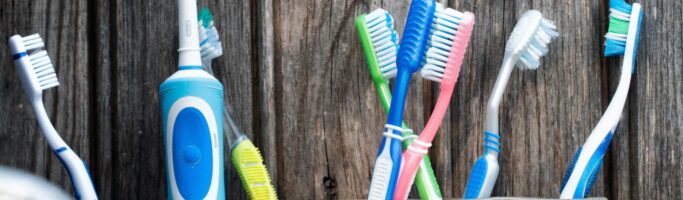
When it comes to maintaining optimal oral health, one of the most debated topics is the choice between a manual and an electric toothbrush. Both options have their pros and cons, and understanding the differences can help you make an informed decision. In this blog, we’ll compare the techniques, list the differences, and discuss why mixing both might not be the best idea. Keywords: oral health, manual toothbrush, electric toothbrush.

Techniques: Manual vs. Electric

Manual Toothbrush Technique:

  • Angle: Hold the brush at a 45-degree angle to your gums. This angle helps clean the gumline effectively and remove plaque.
  • Motion: Use gentle, circular motions. Avoid harsh scrubbing as it can cause gum irritation and enamel erosion. The circular motion helps in reaching the crevices between teeth.
  • Coverage: Ensure you brush all surfaces—outer, inner, and chewing surfaces. Spend equal time on each quadrant of your mouth to ensure thorough cleaning.
  • Duration: Brush for at least two minutes, twice a day. Consider dividing your mouth into four sections and spending 30 seconds on each.
  • Pressure: Apply moderate pressure; too much can damage enamel and gums. A lighter touch is usually more effective and less harmful.

Electric Toothbrush Technique:

  • Angle: Similar to a manual toothbrush, hold it at a 45-degree angle to the gums. The brush’s vibrations or rotations will enhance the cleaning efficiency at this angle.
  • Motion: Let the brush do the work. Gently guide it over each tooth without applying extra pressure. Electric toothbrushes are designed to optimize motion and speed.
  • Coverage: Focus on one tooth at a time to ensure thorough cleaning. This method ensures each tooth and the surrounding gum area is adequately cleaned.
  • Duration: Most electric toothbrushes have a timer for the recommended two minutes. Some even have alerts for switching quadrants.
  • Pressure: Many electric toothbrushes have pressure sensors to alert you if you’re brushing too hard. This feature helps protect your gums and enamel from damage.

Differences Between Manual and Electric Toothbrushes

  1. Effectiveness:
    • Manual: Effective when used with proper technique, but can be inconsistent. The user’s skill significantly impacts the results.
    • Electric: Generally more effective at reducing plaque and gingivitis, thanks to consistent and high-frequency movements. Studies have shown electric toothbrushes can reduce plaque and gingivitis more effectively over time.
  2. Ease of Use:
    • Manual: Requires more manual effort and proper technique. It can be challenging for people with arthritis or limited mobility.
    • Electric: Easier to use, especially for people with limited mobility. The automated motion helps compensate for less precise manual technique.
  3. Features:
    • Manual: Basic, with few additional features. They rely solely on the user’s technique.
    • Electric: Often includes timers, pressure sensors, and multiple brushing modes. These features can enhance brushing effectiveness and protect oral health. Advanced electric toothbrushes even include AI features, linking with phone applications to track your brushing habits and provide personalized feedback. These apps can map the areas you’ve brushed and identify spots you might be missing, ensuring a more comprehensive clean.

Why Mixing Both Might Not Be a Good Idea

While it might seem beneficial to mix the use of manual and electric toothbrushes, it can lead to inconsistencies in your oral hygiene routine. Here’s why:

  1. Technique Variation: Switching between manual and electric toothbrushes can cause confusion regarding the correct brushing technique. You might end up not using either method correctly, compromising the effectiveness of your oral care. Consistent technique is vital for thorough cleaning and oral health maintenance.
  2. Pressure Control: Manual brushing requires you to control the pressure, whereas electric toothbrushes often have built-in sensors. Switching between the two can lead to applying inconsistent pressure, potentially harming your gums and enamel. This inconsistency can lead to uneven cleaning and increased risk of dental issues.
  3. Habits and Routine: Consistency is key to good oral hygiene. Sticking to one type of toothbrush helps establish a routine. Mixing both might disrupt this routine, leading to missed spots or insufficient brushing time. A regular routine ensures all parts of your mouth receive adequate attention.

Conclusion

Both manual and electric toothbrushes have their advantages. The best choice depends on your individual needs, preferences, and oral health goals. Whether you prefer the control of a manual toothbrush or the advanced features of an electric one, consistency and proper technique are crucial. By choosing one and mastering its use, you can ensure your smile stays bright and healthy.

For personalized advice on the best toothbrush for you, consult with our team at Your Perfect Smile Dental & Implant Clinic. We’re here to help you achieve the best oral health possible. Regular check-ups, along with proper brushing and flossing techniques, are essential for maintaining a healthy mouth and a beautiful smile.


The Importance of Interdental Hygiene

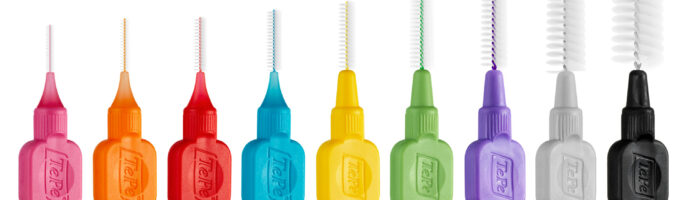
Maintaining oral hygiene goes beyond just brushing your teeth twice a day. One crucial yet often neglected aspect is interdental hygiene. The area between your teeth, known as interdental space, accounts for approximately 40% of the tooth surface. Neglecting this can lead to plaque buildup, which may cause cavities, gum disease, and bad breath. This blog will explore the importance of cleaning between your teeth, the tools available for this purpose, and recommendations for products available in the UK.

Tools and Methods for Cleaning Between Your Teeth and improving the Interdental Hygiene

Here are the most effective tools and methods for interdental cleaning, listed from the easiest to use, along with their benefits and challenges:

  1. Interdental Brushes
  2. Dental Floss
  3. Floss Picks
    • Benefits: Floss picks are easier to handle than regular floss, making them a good option for people with limited dexterity.
    • Challenges: Can be less effective than regular floss in tight spaces.
    • Popular Products:
      • DenTek Triple Clean Floss Picks
      • Oral-B Glide Floss Picks
      • GUM Soft-Picks Advanced
  4. Water Flossers
  5. Wooden or Plastic Toothpicks
    • Benefits: Useful for dislodging larger food particles between teeth.
    • Challenges: Less effective for thorough cleaning, can sometimes damage gums if not used carefully.
    • Popular Products:
      • Jordan Clean Between Toothpicks
      • DenTek Comfort Clean Toothpicks
      • The Humble Co. Bamboo Toothpicks

(more…)

Understanding and Managing Dry Mouth

dry mouth tips and hints

Dry mouth, also known as xerostomia, is a condition where your salivary glands don’t produce enough saliva to keep your mouth moist. While it may seem like a minor inconvenience, dry mouth can significantly impact your oral health and overall well-being.

Possible Reasons for Dry Mouth

Several factors can contribute to dry mouth, including:

  1. Medications: Many prescription and over-the-counter drugs, such as antihistamines, decongestants, painkillers, diuretics, and antidepressants, list dry mouth as a side effect.
  2. Aging: As you age, your risk of experiencing dry mouth increases. Changes in the body’s ability to process medication, health conditions, and nutritional deficiencies can contribute.
  3. Cancer Therapy: Radiation and chemotherapy treatments for cancer can affect salivary gland function, leading to dry mouth.
  4. Health Conditions: Conditions like diabetes, Parkinson’s disease, Sjögren’s syndrome, and HIV/AIDS can cause dry mouth.
  5. Lifestyle Factors: Smoking and alcohol consumption can decrease saliva production. Dehydration from insufficient fluid intake or excessive sweating can also cause dry mouth.
  6. Nerve Damage: Injury or surgery that causes nerve damage to the head and neck area can result in dry mouth.
  7. Menopause: Women undergoing menopause may experience dry mouth due to lower hormone levels, particularly estrogen.
  8. Mouth Breathing: Breathing through the mouth, especially during sleep, can contribute to dry mouth.

Recognizing the Symptoms of Dry Mouth

Identifying dry mouth can sometimes be tricky. Here are some common symptoms to watch out for:

  • A sticky, dry feeling in the mouth
  • Frequent thirst
  • Sores in the mouth; cracked lips
  • Dry feeling in the throat
  • Burning or tingling sensation in the mouth and especially on the tongue
  • Dry, red, raw tongue
  • Problems speaking, chewing, swallowing, or tasting
  • Hoarseness, dry nasal passages, sore throat
  • Bad breath
  • A feeling of the tongue being stuck to the roof of the mouth, particularly in the morning

(more…)

Choosing an Electric Toothbrush: Find Your Perfect Smile Partner

choosing your toothbrush

Introduction

In the quest for the “Perfect Smile Partner,” choosing the right electric toothbrush is crucial. With an array of shapes, sizes, and brands like Sonicare and Oral-B, how do you decide which one is your ally in dental hygiene? This comprehensive guide breaks down the differences between round head and long head toothbrushes, compares popular brands, and highlights the features that matter most for a gleaming smile.

Round Head vs. Long Head: Battle for Superior Clean

Round Head Electric Toothbrushes:

  • Pros: Focuses on one tooth at a time, offering precise cleaning. Popularized by brands like Oral-B, its oscillating-rotating-pulsating technology is excellent for removing plaque.
  • Cons: May require more time to clean all teeth due to the smaller surface area.

Long Head Electric Toothbrushes:

  • Pros: Mimics the traditional toothbrush shape, allowing broader strokes. Sonicare is a standout in this category, using sonic vibrations to target plaque and stimulate gum health.
  • Cons: Some users find it less effective in reaching tight spots between teeth.

Leading Brands: Sonicare vs. Oral-B

Sonicare:

Oral-B:

Key Features for Sparkling Teeth

  1. Variable Speed Settings: Adjust the intensity for comfort and efficacy.
  2. Timer: Ensures you brush for the dentist-recommended two minutes.
  3. Pressure Sensor: Protects gums by alerting you when you’re brushing too hard.
  4. Battery Life: Long battery life is convenient for travelers.
  5. Smart Features: Some models offer Bluetooth connectivity for personalized brushing data.

Conclusion: Your Smile, Your Choice

Your “Perfect Smile Partner” is out there, waiting to transform your dental routine. Whether you lean towards the precise cleaning of a round head or the broad efficiency of a long head toothbrush, the key is finding what works for your unique set of teeth. Brands like Sonicare and Oral-B offer a spectrum of models tailored to various needs and preferences. Remember, for a choice this important, consulting with your dentist ensures that your electric toothbrush is not just a gadget, but a personalized tool in your oral hygiene arsenal.

Note: Always consult with your dentist for personalized advice tailored to your dental health needs.

Electric Toothbrush: A Comprehensive Guide to Features and Settings

electric toothbrush guide

Introduction

In your quest for “Electric Toothbrush Excellence,” understanding the nuances of features and settings is pivotal. With technology advancing rapidly, electric toothbrushes have evolved from simple plaque-fighting tools to sophisticated gadgets aimed at personalizing your dental care routine. This section of our blog delves deeper into these advancements, providing a closer look at how various features and settings can enhance your brushing experience, tailored to meet your individual oral health needs.

Delving into the Details: Features and Settings That Define Electric Toothbrush Excellence

Brushing Modes

Multiple brushing modes stand at the core of electric toothbrush excellence, catering to a wide range of oral health requirements—from daily cleaning to sensitive gums and whitening aspirations. These modes adjust the brush’s motion and intensity, offering a tailored approach to each user’s specific needs.

Smart Timers and Quadrant Pacing

The integration of smart timers and quadrant pacing ensures that users adhere to the recommended two-minute brushing time, promoting an even and thorough clean across all four quadrants of the mouth. This intelligent feature supports the development of optimal brushing habits, crucial for achieving dental hygiene excellence.

Pressure Sensors

To combat the common issue of overbrushing, pressure sensors alert users when excessive force is applied, safeguarding against gum damage and enamel wear. This feature is essential for maintaining the delicate balance between thorough cleaning and gentle care, embodying the essence of electric toothbrush excellence.

Battery Life and Charging Options

The practicality of electric toothbrushes is significantly enhanced by extended battery life and versatile charging solutions. The convenience of long-lasting use, coupled with options such as USB charging and portable charging cases, underscores the excellence of modern electric toothbrushes in adapting to today’s mobile lifestyle.

Connectivity and Smart Features

Bluetooth connectivity and smart features represent the pinnacle of electric toothbrush innovation, offering users real-time feedback, habit tracking, and personalized dental care advice. This leap in technology transforms the brushing experience into an interactive, informative journey towards oral health excellence.

Conclusion

The pursuit of “Electric Toothbrush Excellence” is a testament to how far dental care technology has come, offering a plethora of options to suit every preference and need. By prioritizing features and settings that resonate with your personal oral health goals, you can elevate your dental care routine to new heights of efficiency and effectiveness. Remember, for a decision as personal and important as choosing the right electric toothbrush, consulting with a dental professional can provide invaluable insights, ensuring that your choice is perfectly aligned with your dental health journey.

Cash for Kids @Your Perfect Smile Dental & Implant Clinic


Daytime @ The Den with Jodie, Garry & Tich

Join MFR’s Jodie, Garry Spence, and Tich McCooey on Saturday 11th May for an afternoon of 80s and 90s throwbacks!

” The Den has quickly become regarded as one of the premier destinations within the Highlands for a fantastic night out. Friendly staff, safe, relaxed environment, beautiful decor and a great range of drinks – what more could you ask for “.

We have donated one of the prizes! Join us and help raise money.

Daytime @ The Den 


The Essential Guide to Choosing Mouthguards

teeth protection in sport, sport mouthguards guide

In the dynamic world of sports, the exhilaration of competition comes with its share of risks, particularly to oral health. Among the plethora of protective gear, mouthguards emerge as a crucial, albeit often underestimated, shield against dental injuries. Their importance transcends age groups and levels of play, making them indispensable for athletes across the board. However, not all mouthguards offer the same level of protection. The choice between over-the-counter (OTC) options and professionally made mouthguards could be the difference between a close call and a trip to the dentist. This comprehensive guide delves into why professionally made mouthguards are the gold standard for athletes who take their safety seriously.

The Critical Role of Mouthguards in Sports Safety

Mouthguards serve as the first line of defense against a spectrum of dental injuries, from cracked and broken teeth to more severe jaw fractures and concussions. They work by absorbing and dispersing impact forces that can cause harm, offering not just protection but also peace of mind to athletes and their families. Despite their importance, many athletes rely on OTC mouthguards for convenience and cost-saving reasons, unknowingly compromising on safety and effectiveness.

The Limitations of OTC Mouthguards

While OTC mouthguards provide a basic protection level, they fall short in several critical areas. These include:

  • Generic Fit: OTC mouthguards, including “boil and bite” models, offer a generic fit that might not account for the unique dental structure of each athlete, potentially leading to discomfort, breathing difficulties, or even dislodgement during play.
  • Limited Shock Absorption: The materials used in OTC mouthguards may not provide optimal shock absorption, reducing their effectiveness in preventing dental injuries.
  • Durability Concerns: These mouthguards are often made from less durable materials, requiring frequent replacements and potentially offering decreased protection over time.

The Superiority of Professionally Made Mouthguards

In contrast, professionally made mouthguards offer unmatched advantages:

  • Custom Fit for Maximum Protection: Created from a mold of the athlete’s teeth, these mouthguards ensure a perfect fit, enhancing comfort and ensuring the guard stays in place, providing superior protection against injuries.
  • Advanced Materials and Design: Utilizing cutting-edge materials with excellent shock-absorbing properties, professional mouthguards offer heightened protection. Their design can also be customized based on the athlete’s specific needs and the demands of the sport.
  • Built-in Layers for Enhanced Safety: The multi-layer construction of professional mouthguards significantly improves their ability to protect against impacts, contributing to their effectiveness in preventing concussions and other severe injuries.
  • Long-Term Durability and Cost-Effectiveness: Despite the higher initial cost, the durability and superior protection of professionally made mouthguards make them a more economical choice over time.

Conclusion: A Worthwhile Investment in Safety

The decision to opt for a professionally made mouthguard is a testament to an athlete’s commitment to safety. By offering a custom fit, utilizing advanced materials, and providing enhanced protection, these mouthguards are an indispensable part of an athlete’s gear. As the sports world continues to evolve, recognizing the importance of mouthguards in safeguarding one’s smile and well-being remains a constant. Whether you’re an amateur enjoying a weekend game or a professional athlete aiming for the next championship, investing in a professional mouthguard is investing in your health, performance, and peace of mind.

Using mouthguards to reduce the incidence and severity of sports-related oral injuries (researchgate.net)

Using mouthguards to reduce the incidence and severity of sports-related oral injuries – The Journal of the American Dental Association (ada.org)


The Critical Role of Mouthguards in Sports Safety: Protecting Your Smile Across All Ages

sport safety with mouthguards

Sports and physical activities are fundamental to a healthy lifestyle, promoting cardiovascular health, strength, and mental well-being. However, with the thrill of the game comes the risk of injury, not just to limbs but crucially, to teeth and the mouth. This is where the role of a mouthguard, an often overlooked piece of protective gear, comes into sharp focus. Regardless of age or the level of competition, wearing a mouthguard is a simple yet effective strategy to safeguard your oral health during sports.

Why Mouthguards Matter

A mouthguard is more than just a piece of plastic. It’s a shield that absorbs and disperses the impact force that can cause serious dental injuries, such as cracked, broken, or knocked-out teeth. It also protects against lacerations to the cheeks, lips, and tongue and can even help prevent more severe injuries like jaw fractures and concussions by reducing the force transmitted from a blow to the jaw.

Levels of Protection

Mouthguards come in three main varieties, offering different levels of protection and comfort:

  1. Stock Mouthguards: The most accessible and affordable option, these pre-formed guards can be bought at most sporting goods stores. They provide basic protection but have a one-size-fits-all approach, which may not suit everyone.
  2. Boil and Bite Mouthguards: A step up in terms of fit and protection. These are softened in boiling water and then molded around the teeth and gums by biting down, offering a more personalized fit.
  3. Custom-Fitted Mouthguards: The gold standard in mouth protection. Made by dental professionals from impressions of your teeth, they provide the best fit, comfort, and protection. While more expensive, the investment significantly outweighs the cost of potential dental repairs.

Customization and Versatility

One of the most appealing aspects of mouthguards, especially custom-fitted ones, is their versatility and customization. They can be tailored not just to fit the unique contours of your mouth but also to suit the specific demands of different sports. Furthermore, they can accommodate braces and other dental appliances, and can even be personalized with team colors and logos.

mouthguards 

OPRO mouthguards ( amazon available)

Conclusion

The adage “prevention is better than cure” rings especially true in sports. Investing in a mouthguard is investing in your health, safety, and peace of mind. Whether you’re an amateur enjoying a weekend game or a competitive athlete, the right mouthguard is your best defense against dental injuries. Remember, a smile is worth protecting, no matter your age or the level of competition.

Your Perfect Smile Dental & Implant awarded for excellence in patient service by WhatClinic.com

We are thrilled to inform you that our Clinic has been recognised with the WhatClinic Patient Service Award 2023, our annual award based on patient ratings and reviews performance, from the worldwide healthcare search engine WhatClinic.

In 2023, over 8 million people visited WhatClinic’s search directory to find and compare clinics for treatments. Your Perfect Smile Dental & Implant Clinic is one of a few hundred clinics listed on the website that met the highest standards qualifying for the award.

“Thanks to your team’s commitment and dedication, Your Perfect Smile Dental & Implant Clinic holds a consistently high ServiceScore™, which measures the clinic’s commitment and performance to patient care throughout the whole year. This Award represents our emphasis on creating positive patient experiences throughout the entire journey”.

Dr Simon Milbauer stated:

“We are amazed to be recognised for our commitment to customer service. As a practice, we focus on everything we do and to receive such positive feedback from our patients is an amazing feeling….”

David Roe, WhatClinic’s CEO, congratulated Your Perfect Smile Dental & Implant and commented on the Award:

“The Patient Service Awards have now run for 13 years. For 2023, we have considered thousands of data points, including ratings based on communication between patients and clinics, clinic’s promptness, politeness, helpfulness, customer service over the phone, email, online and in-person, as well as patient reviews, feedback, and more.

Ratings are helpful to both patients and clinics. Patients can see which clinics have been rated well by other users, and clinics can evaluate their own performance against others in their market and be motivated to improve their patient services, which is ultimately good for everybody.”


About WhatClinic

WhatClinic is a health and beauty search engine site that lists over 70,000 clinics globally. In 2023, over 8 million people visited the website to find, compare and book appointments in clinics and practices across a wide range of medical treatments, including dentistry, medical aesthetics, plastic and bariatric surgery, hair transplant, fertility and more. WhatClinic’s mission is to connect patients with clinics they will love and give them access to all the information they need to make an informed choice, including price, availability, and reviews. WhatClinic was founded in 2007 by tech entrepreneur Caelen King and is in operation in over 135 countries.

Overcoming Dental Anxiety: Common Fears and How to Address Them

dental anxiety, fear of dentists, practical solutions

Overcoming Dental anxiety is a prevalent issue affecting many individuals, deterring them from seeking necessary dental care. Understanding the root causes of this fear is the first step in overcoming it. In this article, we’ll explore the most common reasons behind dental fear and offer practical solutions to help ease these anxieties.

1. Fear of Pain

One of the primary reasons people fear dental work is the anticipation of pain. This fear often stems from past experiences or stories shared by others. However, modern dentistry has made significant strides in pain management and comfort.

Solution: Discuss your concerns with your dentist. They can explain the painless procedures and sedation options available to ensure a comfortable experience.

2. Embarrassment About Dental Health

Many individuals avoid the dentist due to embarrassment about the state of their teeth. They fear judgment or criticism from dental professionals.

Solution: Remember that dentists are here to help, not judge. Regular dental visits are crucial for maintaining oral health, and dentists are trained to deal with all sorts of dental conditions professionally and compassionately. (more…)