Posts Tagged: teeth brushing

Manual vs. Electric Toothbrush: Which is Best for Your Oral Health?

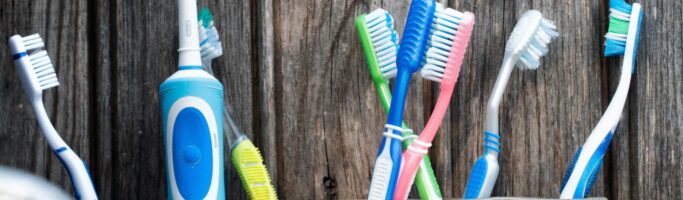
When it comes to maintaining optimal oral health, one of the most debated topics is the choice between a manual and an electric toothbrush. Both options have their pros and cons, and understanding the differences can help you make an informed decision. In this blog, we’ll compare the techniques, list the differences, and discuss why mixing both might not be the best idea. Keywords: oral health, manual toothbrush, electric toothbrush.

Techniques: Manual vs. Electric

Manual Toothbrush Technique:

  • Angle: Hold the brush at a 45-degree angle to your gums. This angle helps clean the gumline effectively and remove plaque.
  • Motion: Use gentle, circular motions. Avoid harsh scrubbing as it can cause gum irritation and enamel erosion. The circular motion helps in reaching the crevices between teeth.
  • Coverage: Ensure you brush all surfaces—outer, inner, and chewing surfaces. Spend equal time on each quadrant of your mouth to ensure thorough cleaning.
  • Duration: Brush for at least two minutes, twice a day. Consider dividing your mouth into four sections and spending 30 seconds on each.
  • Pressure: Apply moderate pressure; too much can damage enamel and gums. A lighter touch is usually more effective and less harmful.

Electric Toothbrush Technique:

  • Angle: Similar to a manual toothbrush, hold it at a 45-degree angle to the gums. The brush’s vibrations or rotations will enhance the cleaning efficiency at this angle.
  • Motion: Let the brush do the work. Gently guide it over each tooth without applying extra pressure. Electric toothbrushes are designed to optimize motion and speed.
  • Coverage: Focus on one tooth at a time to ensure thorough cleaning. This method ensures each tooth and the surrounding gum area is adequately cleaned.
  • Duration: Most electric toothbrushes have a timer for the recommended two minutes. Some even have alerts for switching quadrants.
  • Pressure: Many electric toothbrushes have pressure sensors to alert you if you’re brushing too hard. This feature helps protect your gums and enamel from damage.

Differences Between Manual and Electric Toothbrushes

  1. Effectiveness:
    • Manual: Effective when used with proper technique, but can be inconsistent. The user’s skill significantly impacts the results.
    • Electric: Generally more effective at reducing plaque and gingivitis, thanks to consistent and high-frequency movements. Studies have shown electric toothbrushes can reduce plaque and gingivitis more effectively over time.
  2. Ease of Use:
    • Manual: Requires more manual effort and proper technique. It can be challenging for people with arthritis or limited mobility.
    • Electric: Easier to use, especially for people with limited mobility. The automated motion helps compensate for less precise manual technique.
  3. Features:
    • Manual: Basic, with few additional features. They rely solely on the user’s technique.
    • Electric: Often includes timers, pressure sensors, and multiple brushing modes. These features can enhance brushing effectiveness and protect oral health. Advanced electric toothbrushes even include AI features, linking with phone applications to track your brushing habits and provide personalized feedback. These apps can map the areas you’ve brushed and identify spots you might be missing, ensuring a more comprehensive clean.

Why Mixing Both Might Not Be a Good Idea

While it might seem beneficial to mix the use of manual and electric toothbrushes, it can lead to inconsistencies in your oral hygiene routine. Here’s why:

  1. Technique Variation: Switching between manual and electric toothbrushes can cause confusion regarding the correct brushing technique. You might end up not using either method correctly, compromising the effectiveness of your oral care. Consistent technique is vital for thorough cleaning and oral health maintenance.
  2. Pressure Control: Manual brushing requires you to control the pressure, whereas electric toothbrushes often have built-in sensors. Switching between the two can lead to applying inconsistent pressure, potentially harming your gums and enamel. This inconsistency can lead to uneven cleaning and increased risk of dental issues.
  3. Habits and Routine: Consistency is key to good oral hygiene. Sticking to one type of toothbrush helps establish a routine. Mixing both might disrupt this routine, leading to missed spots or insufficient brushing time. A regular routine ensures all parts of your mouth receive adequate attention.

Conclusion

Both manual and electric toothbrushes have their advantages. The best choice depends on your individual needs, preferences, and oral health goals. Whether you prefer the control of a manual toothbrush or the advanced features of an electric one, consistency and proper technique are crucial. By choosing one and mastering its use, you can ensure your smile stays bright and healthy.

For personalized advice on the best toothbrush for you, consult with our team at Your Perfect Smile Dental & Implant Clinic. We’re here to help you achieve the best oral health possible. Regular check-ups, along with proper brushing and flossing techniques, are essential for maintaining a healthy mouth and a beautiful smile.

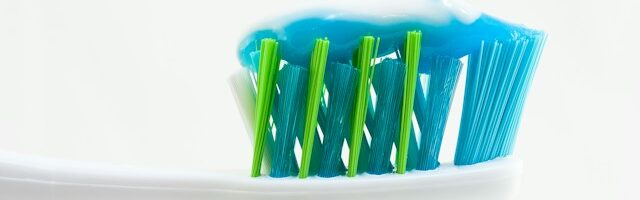


Choosing an Electric Toothbrush: Find Your Perfect Smile Partner

choosing your toothbrush

Introduction

In the quest for the “Perfect Smile Partner,” choosing the right electric toothbrush is crucial. With an array of shapes, sizes, and brands like Sonicare and Oral-B, how do you decide which one is your ally in dental hygiene? This comprehensive guide breaks down the differences between round head and long head toothbrushes, compares popular brands, and highlights the features that matter most for a gleaming smile.

Round Head vs. Long Head: Battle for Superior Clean

Round Head Electric Toothbrushes:

  • Pros: Focuses on one tooth at a time, offering precise cleaning. Popularized by brands like Oral-B, its oscillating-rotating-pulsating technology is excellent for removing plaque.
  • Cons: May require more time to clean all teeth due to the smaller surface area.

Long Head Electric Toothbrushes:

  • Pros: Mimics the traditional toothbrush shape, allowing broader strokes. Sonicare is a standout in this category, using sonic vibrations to target plaque and stimulate gum health.
  • Cons: Some users find it less effective in reaching tight spots between teeth.

Leading Brands: Sonicare vs. Oral-B

Sonicare:

Oral-B:

Key Features for Sparkling Teeth

  1. Variable Speed Settings: Adjust the intensity for comfort and efficacy.
  2. Timer: Ensures you brush for the dentist-recommended two minutes.
  3. Pressure Sensor: Protects gums by alerting you when you’re brushing too hard.
  4. Battery Life: Long battery life is convenient for travelers.
  5. Smart Features: Some models offer Bluetooth connectivity for personalized brushing data.

Conclusion: Your Smile, Your Choice

Your “Perfect Smile Partner” is out there, waiting to transform your dental routine. Whether you lean towards the precise cleaning of a round head or the broad efficiency of a long head toothbrush, the key is finding what works for your unique set of teeth. Brands like Sonicare and Oral-B offer a spectrum of models tailored to various needs and preferences. Remember, for a choice this important, consulting with your dentist ensures that your electric toothbrush is not just a gadget, but a personalized tool in your oral hygiene arsenal.

Note: Always consult with your dentist for personalized advice tailored to your dental health needs.

Guide to Teeth Brushing: Techniques for a Healthy Smile

proper-teeth-brushing-guide

Brushing your teeth is a fundamental part of daily hygiene, but doing it correctly is crucial for maintaining good oral health. Here are some effective toothbrushing techniques to enhance your brushing routine:

  1. Circular or Rotational Movements:
    • This technique involves moving the toothbrush in small, gentle circles along the gum line and teeth surfaces.
    • It’s effective for cleaning the outer and inner tooth surfaces, helping to dislodge food particles and plaque without being harsh on the gums.
  2. Vertical Brushing:
    • Ideal for cleaning the inner surfaces of the front teeth, vertical brushing involves gentle strokes from the gum line upwards for the lower teeth and downwards for the upper teeth.
    • This technique reaches areas that are often missed, ensuring a more thorough clean.
  3. Bass Method:
    • Also known as the sulcular brushing technique, this involves positioning the bristles at a 45-degree angle to the gum line and gently vibrating the brush back and forth with short strokes.
    • The Bass Method is particularly effective for cleaning along the gumline and removing plaque from just under the gum’s edge.
  4. Stillman’s Technique:
    • Similar to the Bass method, Stillman’s technique involves placing the bristles at a 45-degree angle to the gums but includes a slight rolling motion as you move the brush away from the gum line.
    • This technique is excellent for stimulating the gums and keeping them healthy.
  5. Charters Method:
    • The bristles are placed at a 45-degree angle to the teeth but pointed towards the biting surface.
    • It’s particularly effective for cleaning around braces, under wires, and along the gum margins.
  6. Fone’s Technique:
    • This is a simple circular motion best suited for children or those with limited dexterity.
    • The toothbrush is moved in large circles, covering the teeth and gums, making it a comprehensive and easy-to-learn method.

Conclusion:

Each of these techniques has its own advantages and can be suitable for different dental needs. Incorporating these methods into your daily routine can greatly enhance your oral hygiene and contribute to long-term dental health.

Remember, along with brushing, regular dental check-ups are essential. Schedule your next appointment with Your Perfect Smile Dental & Implant Clinic for personalized dental care and advice.

Research links:

(PDF) Effective Tooth Brushing Techniques Based on Periodontal Tissue Conditions : A Narrative Review (researchgate.net)

3 Tooth Brushing Techniques that Get the Job Done | Colgate®


Philips Sonicare Diamond Clean Smart

Your Perfect Smile , Cosmetic dentistry Inverness

We all keep asking the same question: Which electric toothbrush is the best? Oral B, Philips, Colgate …… So today I would like to concentrate on one of the newest additions to electric toothbrushes world Philips Sonicare Diamond Clean Smart .

You may ask what so different about it ? Lets see what manufacturer promises under a name of  “Complete system for a healthier mouth”

 Five modes which cover a range of brushing needs:

  • Clean mode for exceptional daily cleaning,
  • White+  for removing stains,
  • Deep Clean+ for invigorating deep clean,
  • Gum Health for gentle yet effective clean for gums,
  • Tongue Care for the perfectly cleaned tongue and fresh breath                                                                                                                                                                                                                                                                                                                        Three intensities allow you to choose between a higher setting to boost your clean and a lower one for more sensitive mouth.

(more…)

How to get kids to brush their teeth ?

OralBKids1

How to get kids to brush their teeth is an everyday dilemma of many parents. We all know it is important for kids to brush the teeth from early age to avoid all those trips to the dentist.  Yes, we still have to go for examination / check up appointments and dental hygiene appointments at least from time to time but are we not all hate hearing dentist saying ” you need a filling “??

So if we as adults are so afraid of those words we should do whatever it takes to save our kids from hearing it, shouldn’t we? (more…)