
Posted by:
Agnieszka Milbauer
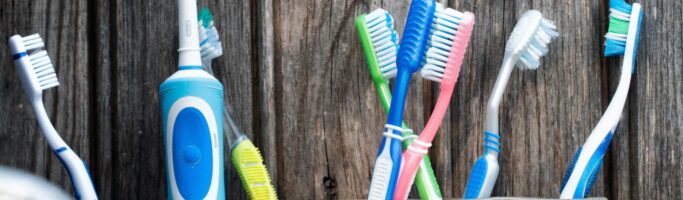
When it comes to maintaining optimal oral health, one of the most debated topics is the choice between a manual and an electric toothbrush. Both options have their pros and cons, and understanding the differences can help you make an informed decision. In this blog, we’ll compare the techniques, list the differences, and discuss why mixing both might not be the best idea. Keywords: oral health, manual toothbrush, electric toothbrush.
Techniques: Manual vs. Electric
Manual Toothbrush Technique:
- Angle: Hold the brush at a 45-degree angle to your gums. This angle helps clean the gumline effectively and remove plaque.
- Motion: Use gentle, circular motions. Avoid harsh scrubbing as it can cause gum irritation and enamel erosion. The circular motion helps in reaching the crevices between teeth.
- Coverage: Ensure you brush all surfaces—outer, inner, and chewing surfaces. Spend equal time on each quadrant of your mouth to ensure thorough cleaning.
- Duration: Brush for at least two minutes, twice a day. Consider dividing your mouth into four sections and spending 30 seconds on each.
- Pressure: Apply moderate pressure; too much can damage enamel and gums. A lighter touch is usually more effective and less harmful.
Electric Toothbrush Technique:
- Angle: Similar to a manual toothbrush, hold it at a 45-degree angle to the gums. The brush’s vibrations or rotations will enhance the cleaning efficiency at this angle.
- Motion: Let the brush do the work. Gently guide it over each tooth without applying extra pressure. Electric toothbrushes are designed to optimize motion and speed.
- Coverage: Focus on one tooth at a time to ensure thorough cleaning. This method ensures each tooth and the surrounding gum area is adequately cleaned.
- Duration: Most electric toothbrushes have a timer for the recommended two minutes. Some even have alerts for switching quadrants.
- Pressure: Many electric toothbrushes have pressure sensors to alert you if you’re brushing too hard. This feature helps protect your gums and enamel from damage.
Differences Between Manual and Electric Toothbrushes
- Effectiveness:
- Manual: Effective when used with proper technique, but can be inconsistent. The user’s skill significantly impacts the results.
- Electric: Generally more effective at reducing plaque and gingivitis, thanks to consistent and high-frequency movements. Studies have shown electric toothbrushes can reduce plaque and gingivitis more effectively over time.
- Ease of Use:
- Manual: Requires more manual effort and proper technique. It can be challenging for people with arthritis or limited mobility.
- Electric: Easier to use, especially for people with limited mobility. The automated motion helps compensate for less precise manual technique.
- Features:
- Manual: Basic, with few additional features. They rely solely on the user’s technique.
- Electric: Often includes timers, pressure sensors, and multiple brushing modes. These features can enhance brushing effectiveness and protect oral health. Advanced electric toothbrushes even include AI features, linking with phone applications to track your brushing habits and provide personalized feedback. These apps can map the areas you’ve brushed and identify spots you might be missing, ensuring a more comprehensive clean.
Why Mixing Both Might Not Be a Good Idea
While it might seem beneficial to mix the use of manual and electric toothbrushes, it can lead to inconsistencies in your oral hygiene routine. Here’s why:
- Technique Variation: Switching between manual and electric toothbrushes can cause confusion regarding the correct brushing technique. You might end up not using either method correctly, compromising the effectiveness of your oral care. Consistent technique is vital for thorough cleaning and oral health maintenance.
- Pressure Control: Manual brushing requires you to control the pressure, whereas electric toothbrushes often have built-in sensors. Switching between the two can lead to applying inconsistent pressure, potentially harming your gums and enamel. This inconsistency can lead to uneven cleaning and increased risk of dental issues.
- Habits and Routine: Consistency is key to good oral hygiene. Sticking to one type of toothbrush helps establish a routine. Mixing both might disrupt this routine, leading to missed spots or insufficient brushing time. A regular routine ensures all parts of your mouth receive adequate attention.
Conclusion
Both manual and electric toothbrushes have their advantages. The best choice depends on your individual needs, preferences, and oral health goals. Whether you prefer the control of a manual toothbrush or the advanced features of an electric one, consistency and proper technique are crucial. By choosing one and mastering its use, you can ensure your smile stays bright and healthy.
For personalized advice on the best toothbrush for you, consult with our team at Your Perfect Smile Dental & Implant Clinic. We’re here to help you achieve the best oral health possible. Regular check-ups, along with proper brushing and flossing techniques, are essential for maintaining a healthy mouth and a beautiful smile.





Recent Comments