
Posts Categorized: Oral Hygiene

How Acid Reflux Damages Your Smile and What You Can Do About It

acid reflux and enamel erosion

Acid Reflux and Tooth Erosion: Understanding the Risks and Protecting Your Smile

If you’re living with GERD and tooth erosion, you may already know how uncomfortable acid reflux can be — but many patients don’t realise the significant impact it can have on their teeth and oral health. Stomach acid is powerful, and repeated exposure can slowly wear down enamel, leading to sensitivity, cavities, and long-term damage if not appropriately managed.

This detailed guide explains how GERD affects your mouth, the symptoms to look out for, which teeth are most at risk, and the steps a dentist would recommend to protect your smile.

What Is GERD?

Gastro-oesophageal reflux disease (GERD) happens when stomach acid frequently flows back into the oesophagus. Over time, this acid can reach the throat and mouth, exposing your teeth to erosive damage.

How GERD/Acid Reflux Affects Your Teeth

Stomach acid has a pH of around 1–2, strong enough to dissolve enamel. When acid repeatedly enters the mouth, the enamel weakens, becomes thinner, and loses its natural protection.

Dental Problems Linked to GERD

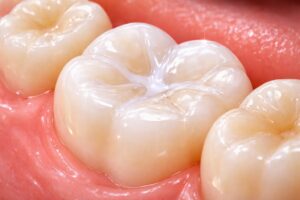
  • Tooth erosion – enamel becomes smooth, shiny, and worn

  • Increased sensitivity – especially to cold or sweet foods

  • Yellowing of teeth – due to thinning enamel

  • Higher risk of cavities – weakened enamel is more vulnerable

  • Cracking or chipping – from loss of tooth structure

  • Bad breath – caused by acid and dry mouth

  • Gum irritation – reflux can aggravate inflamed gums

Which Teeth Are Usually Affected the Most?

Because refluxed acid tends to enter the mouth and pool around certain areas, some teeth are more exposed than others:

  • Upper back teeth (molars and premolars):
    These are commonly the first to show signs of erosion, especially on the palatal (inner) surfaces, where acid often accumulates.

  • Upper front teeth:
    The inside surfaces can become smooth, thin, glassy, and sensitive as enamel gradually dissolves.

  • Lower back teeth:
    Although partially shielded by the tongue, they can still show erosion in longstanding or severe GERD.

  • Teeth affected during nighttime reflux:
    Reflux during sleep causes more severe wear because saliva flow drops and acid stays in contact with the teeth for much longer.

Recognising these patterns helps your dentist diagnose GERD-related erosion early.

Symptoms You May Notice

Many patients notice dental signs before they realise reflux is the cause. Common symptoms include:

  • Sharp sensitivity when drinking cold water

  • A sour or acidic taste in the mouth

  • Worn, flattened, or smooth tooth surfaces

  • Yellowing of the teeth

  • Frequent cavities despite good hygiene

  • Hoarseness, coughing, or throat burning

  • “Morning taste” or dryness after sleeping

What Your Dentist May Recommend

1. Minimise Acid Exposure

  • Rinse with water or fluoride mouthwash after a reflux episode.

  • Avoid brushing for at least 30 minutes afterwards.

  • Use high-fluoride toothpaste to strengthen enamel.

  • Chew sugar-free gum to stimulate saliva.

2. Professional Preventive Care

  • Fluoride varnish to strengthen weakened enamel.

  • Prescription-strength fluoride toothpaste for home use

  • Regular monitoring of erosion patterns

3. Restorative Options

If erosion is moderate or advanced, your dentist may recommend:

  • Composite bonding to rebuild an enamel-like structure

  • Onlays or crowns for heavily worn teeth

  • A protective nightguard, especially if symptoms worsen during sleep

4. Collaborating With Your GP

Medical management is essential. Your GP may advise:

  • Acid-suppressing medication

  • Adjusting meal timings

  • Weight management

  • Sleeping with your head elevated

Lifestyle Tips to Reduce Acid Reflux

  • Avoid acidic and carbonated drinks.

  • Reduce caffeine, alcohol, and spicy foods.

  • Eat smaller meals and avoid lying down afterwards.

  • Maintain a healthy weight.

  • Drink water regularly throughout the day.

When to Seek Dental Advice

Book a dental review if you notice:

  • Sudden or worsening sensitivity

  • Changes in tooth shape or colour

  • A persistent acidic taste

  • Wear on the inner surfaces of upper teeth.

Early dental intervention can prevent long-term damage and protect your smile.

Final Thoughts

GERD doesn’t just affect your stomach — it can significantly weaken and erode your teeth if left unmanaged. By recognising the signs of GERD and tooth erosion, following dental guidance, and working with your GP  and a dentist to control reflux, you can protect your enamel and maintain a healthy, comfortable smile.




How to Clean and Maintain Orthodontic Retainers

Proper cleaning and maintenance of orthodontic removable retainers is crucial for keeping them hygienic, odour-free, and functional. Neglecting care can lead to bacterial buildup, staining, and even retainer damage. In this guide, we’ll walk you through the best practices for cleaning your retainers, the dos and don’ts of maintenance, and how to choose the right cleaning products.

Why Cleaning Your Orthodontic Retainers is Essential

Removable retainers are in constant contact with your teeth, gums, and saliva. Over time, they can gather:

  • Bacteria that cause bad breath or infections.
  • Plaque and tartar buildup, similar to what forms on your teeth.
  • Staining from food, drinks, or poor cleaning routines.

Regular cleaning helps maintain oral hygiene, prevents unpleasant odours, and extends the life of your retainers.

How to Clean Your Orthodontic Retainers

Daily Cleaning Routine

To keep your retainers in top shape:

  1. Rinse Immediately: After removing your retainers, rinse them with lukewarm water to wash away saliva and debris.
  2. Brush Gently: Use a soft-bristled toothbrush (different from the one you use on your teeth) to gently clean the surface of your retainers. Use mix lukewarm water with a drop of mild dish soap. Avoid using abrasive toothpaste, as it can scratch them.
  3. Store Properly: When not in use, store your retainers in their protective case. Ensure they are dry before placing them inside to avoid bacterial growth.
Deep Cleaning (Once or Twice a Week)

Deep cleaning ensures any stubborn buildup is removed:

  1. Use Retainer Cleaning Tablets: Dissolve a cleaning tablet in a glass of water and soak your retainers as directed (usually 15-20 minutes). These solutions are effective at removing stains and bacteria.
  2. Use ultrasonic baths . Available from online retailers like Amazon.

Important: Always rinse your retainers thoroughly with lukewarm water after using any cleaning product to avoid residue or irritation.

Best Products for Cleaning Retainers

Safe to Use:

    • Retainer cleaning tablets (e.g., Retainer Brite, ).
    • Mild dish soap.
    • Non-abrasive toothpaste


Avoid These Products:

      • Whitening toothpaste (contains abrasive particles that scratch retainers).
      • Harsh chemicals like bleach or vinegar, which can damage retainers over time.
      • Hot or boiling water, as heat can warp the retainers.
      • Mouthwash with alcohol, which can dry out the material.

Dos and Don’ts of Retainer Maintenance

Do:

  • Clean your retainers daily to prevent bacteria buildup.
  • Store your retainers in a hard protective case when not in use.
  • Keep retainers away from pets—many are drawn to chewing on them!
  • Visit your orthodontist regularly to ensure your retainers fit correctly and are in good condition.

Don’t:

  • Wear retainers while eating,
  • Use toothpaste or abrasive cleaners for deep cleaning.
  • Leave your retainers in pockets, bags, or any unprotected area where they can be crushed or lost.
  • Soak your retainers in sugary drinks like soda or juice, which can cause staining.

Additional Tips for Retainer Care

  1. Replace When Necessary: Retainers don’t last forever. If you notice cracks, significant discoloration, or improper fit, consult your orthodontist for a replacement.
  2. Use Lukewarm Water Only: Hot water can warp plastic retainers, making them unusable.
  3. Keep a Backup Retainer: If possible, have a spare set of retainers made. Accidents happen, and having a backup ensures your orthodontic progress isn’t disrupted.
  4. Travel Safely: When traveling, always carry your retainers in their case and keep a small cleaning kit handy, including a travel-sized toothbrush and mild soap.

When to Contact Your Orthodontist

You should contact your orthodontist if:

  • Your retainers are cracked, warped, or no longer fit properly.
  • You notice persistent odors or discoloration despite regular cleaning.
  • You lose your retainers and need replacements to maintain your smile.

Maintaining Your Smile

Cleaning and maintaining your orthodontic removable retainers is a simple but essential step in protecting your investment in orthodontic treatment. By following these care tips and choosing the right cleaning products, you can ensure your retainers stay hygienic, odor-free, and in excellent condition. With proper care, your retainers will help preserve your beautiful smile for years to come!

Mouth Ulcers: Causes, Remedies, and When to Visit a Dentist

Mouth ulcers, or canker sores, are painful lesions that develop inside the mouth, on the cheeks, gums, tongue, or roof of the mouth. While they are often harmless and heal on their own, they can disrupt daily life, making it difficult to eat, drink, or even speak. Recognising mouth ulcer causes, remedies, and when to see a dentist can help you manage them effectively and prevent unnecessary discomfort. Let’s delve into their causes, healing time, and when to seek professional help.

Common Causes of Mouth Ulcers

Mouth ulcers have a variety of triggers. Some of the most common include:

  1. Injury or Irritation
    Accidental cheek biting, poorly fitted dentures, orthodontic braces, or sharp-edged foods can lead to minor trauma, resulting in ulcers. This type of ulcer is typically short-lived but can be painful.
  2. Stress and Hormonal Changes
    Emotional stress or hormonal shifts, such as those occurring during menstruation, pregnancy, or menopause, can contribute to the development of canker sores.
  3. Nutritional Deficiencies
    A lack of vitamins and minerals like vitamin B12, iron, or folic acid is a leading cause of recurrent mouth ulcers. These deficiencies can weaken the mucosa, making it more prone to injury.
  4. Medical Conditions
    Chronic illnesses like Crohn’s disease, celiac disease, and autoimmune disorders, such as lupus, can manifest symptoms in the form of recurrent ulcers. Sometimes, ulcers can signal an underlying medical issue that requires attention.
  5. Food Sensitivities and Allergies
    Certain foods, particularly spicy, acidic, or salty items, can irritate the sensitive tissues of the mouth. Additionally, some people may experience ulcers as an allergic reaction to specific foods.
  6. Medications and Treatments
    Side effects of medications such as non-steroidal anti-inflammatory drugs (NSAIDs), beta-blockers, or chemotherapy treatments can include the development of painful ulcers.
  7. Infections
    Viral infections, such as herpes simplex or hand, foot, and mouth disease, may cause clusters of painful ulcers in and around the mouth.

Average Healing Time

Mouth ulcers usually heal without any specific treatment within 7 to 14 days. However, this healing period may vary depending on the severity and cause. For instance:

  • Minor trauma ulcers heal faster, often within a week.
  • Larger ulcers, such as major aphthous ulcers, may take up to 3 weeks or longer to resolve.
  • Chronic ulcers associated with underlying health issues may require medical intervention to heal effectively.

If the ulcer doesn’t show signs of improvement after two weeks, it’s a good idea to consult a dentist or healthcare provider for a thorough evaluation.


When to See a Dentist

While most mouth ulcers are manageable at home, there are times when professional attention is needed. You should visit your dentist if:

  • The ulcer persists for more than 3 weeks.
  • You experience severe pain or difficulty eating, drinking, or speaking.
  • There is an unusually large ulcer or multiple ulcers that appear at the same time.
  • Mouth ulcers recur frequently, suggesting a potential underlying health condition.
  • Additional symptoms occur, such as fever, swollen lymph nodes, or fatigue.
  • The ulcers are accompanied by white patches, which might indicate oral thrush, or red patches, which could suggest a more serious issue.

Your dentist can offer treatments such as prescription-strength mouth rinses, gels, or pain-relieving medications. In cases of recurring or severe ulcers, they may recommend blood tests or a referral to a specialist to rule out systemic conditions.

Common Home Remedies for Mouth Ulcers

If you’re dealing with a mouth ulcer, there are several simple remedies to promote healing and reduce discomfort:

  1. Saltwater Rinse
    Mix one teaspoon of salt in a glass of warm water. Rinse your mouth gently with the solution and spit it out. This helps disinfect the area and speeds up healing.
  2. Honey
    Apply a small amount of honey directly to the ulcer. Honey has natural antibacterial and healing properties that can soothe irritation and promote tissue repair.
  3. Aloe Vera Gel
    Fresh aloe vera gel can reduce inflammation and provide a cooling sensation. Apply it directly to the ulcer a few times a day.
  4. Ice Cubes or Cold Compresses
    Sucking on an ice cube or applying a cold compress to the affected area can help numb the pain and reduce swelling.
  5. Over-the-Counter Products
    Medicated gels or mouth rinses specifically formulated for mouth ulcers can provide pain relief and help speed up healing.
  6. Maintain Good Oral Hygiene
    Keep your mouth clean by brushing gently with a soft-bristled toothbrush and avoiding irritants like alcohol-based mouthwashes.
  7. Avoid Trigger Foods
    Stay away from spicy, acidic, or rough-textured foods that may worsen the irritation.

Preventing Mouth Ulcers

Preventing mouth ulcers often involves addressing their root causes:

  • Eat a balanced diet rich in essential vitamins and minerals, such as vitamin B12, folic acid, and iron.
  • Reduce stress through relaxation techniques, like yoga or meditation.
  • Protect your mouth from accidental trauma by using a mouthguard during sports and ensuring dental appliances fit properly.
  • Stay hydrated and avoid foods that irritate your mouth.

Conclusion

Mouth ulcers may be a common problem, but they don’t have to disrupt your life for long. By understanding their causes and using simple remedies, most ulcers heal on their own in a matter of days. However, if ulcers persist, recur frequently, or cause significant discomfort, don’t hesitate to consult your dentist. Early intervention can prevent complications and provide relief, ensuring your oral health remains in top condition.


Vitamin B Deficiency: How It Affects Your Mouth and Causes Angular Cheilitis

Did you know that a lack of Vitamin B can lead to several oral health issues, including angular cheilitis? This common condition, also known as angular stomatitis, presents as painful cracks and inflammation at the corners of your mouth. But angular cheilitis isn’t the only sign of Vitamin B deficiency. Let’s explore how this deficiency manifests in the mouth and why it’s crucial to maintain a healthy balance of these essential nutrients.

Signs of Vitamin B Deficiency in the Mouth

The mouth is one of the first areas to show signs of Vitamin B deficiency. Common symptoms include:

  1. Angular Cheilitis (Angular Stomatitis)
    Angular cheilitis is a hallmark of Vitamin B deficiency, especially B2 (riboflavin) and B12. This condition causes painful cracks at the corners of your mouth, which can become inflamed, bleed, or become infected if left untreated.
  2. Glossitis
    Deficiency in B vitamins like B2, B3, B6, and B12 can lead to glossitis, an tongue inflammation. This condition causes the tongue to appear swollen, red, and smooth, often making it difficult to eat or speak.
  3. Mouth Sores and Ulcers
    Recurrent sores or ulcers inside the mouth, also known as aphthous ulcers, may indicate a deficiency in Vitamin B12, folate (Vitamin B9), or other B vitamins.
  4. Dry Mouth
    A lack of Vitamin B3 (niacin) can lead to a dry, sore mouth. This can also increase the risk of developing infections and further complications.
  5. Burning Sensation
    A burning sensation in the mouth or tongue is another common symptom of Vitamin B deficiency, especially B12. This can feel like a constant burning or tingling sensation that worsens over time.

Why Vitamin B Is Important for Oral Health

B vitamins play a vital role in maintaining healthy skin, cells, and nerve function. In the context of oral health, these vitamins help in tissue repair and protect against infections. A deficiency can weaken your immune system, making you more susceptible to conditions like angular cheilitis and other oral issues.

How to Prevent Vitamin B Deficiency

To prevent Vitamin B deficiency and maintain oral health, it’s essential to consume a balanced diet rich in B vitamins. Foods such as leafy greens, eggs, dairy, meat, and fortified cereals are excellent sources. For individuals with restricted diets or certain health conditions, supplementation may be necessary.

Seeking Help for Oral Symptoms

If you are experiencing symptoms like angular cheilitis, glossitis, or frequent mouth sores, it’s important to consult with your dentist or doctor. Early detection of Vitamin B deficiency can prevent more serious complications and help restore oral health.

For more information on how Vitamin B impacts your oral health, you can visit reputable sources like the National Institutes of Health’s Office of Dietary Supplements or read this article on angular cheilitis and Vitamin B deficiency.


Ensuring you get enough Vitamin B is essential not only for your overall well-being but for maintaining a healthy mouth free of painful conditions like angular cheilitis. If you’re concerned about your Vitamin B levels or have any symptoms mentioned above, schedule an appointment at Your Perfect Smile Dental & Implant Clinic for a comprehensive evaluation and personalized care.


Why cleaning your teeth before dental appointment is important?

choosing your toothbrush

When it’s time for your dental appointment, arriving with clean teeth might seem like a minor detail, but it plays a crucial role in the success of your visit. Cleaning your teeth before the appointment ensures that your dentist can clearly see your teeth and gums, leading to more accurate assessments and diagnoses. Failing to clean your teeth beforehand can obscure problem areas, potentially leading to misdiagnosis or incomplete treatments. Understanding the importance of this simple step can make a significant difference in your oral health outcomes.

Why Clean Teeth Are Essential for Dental Visits

Dentists rely on clear visibility to thoroughly examine your mouth. When you brush your teeth before your appointment, you remove food particles, plaque, and other debris that can obstruct your dentist’s view. This cleanliness allows your dentist to identify issues such as cavities, gum disease, or other oral health concerns more effectively. A clean mouth also helps your dentist spot early signs of problems, enabling timely intervention before they worsen. (more…)

Managing Teeth Sensitivity: Causes and Remedies

teeth sensitivity

Teeth sensitivity is a common dental issue that affects millions of people worldwide. Understanding the causes of teeth sensitivity and how to minimize the pain can greatly improve your quality of life. In this blog, we will delve into the reasons behind this discomfort and explore various methods to alleviate it, including instant relief options like Sensodyne Repair & Protect and Colgate Pro Relief, as well as remineralizing toothpastes such as Tooth Mousse and Regenerate.

Causes of Teeth Sensitivity

Teeth sensitivity occurs when the protective enamel on your teeth wears down or when gums recede, exposing the underlying dentin. The dentin contains tiny tubules that lead to the nerve endings. When these tubules are exposed to hot, cold, sweet, or acidic foods and drinks, they send a signal to the nerves, causing a sharp pain.

Common causes of teeth sensitivity include:

  1. Tooth Decay: Cavities can expose the dentin.
  2. Gum Recession: Often caused by periodontal disease, this can expose the roots of your teeth.
  3. Enamel Erosion: Caused by acidic foods and drinks, or excessive brushing.
  4. Bruxism: Grinding your teeth can wear down enamel.
  5. Cracked Teeth: Fractures can expose the dentin.

(more…)

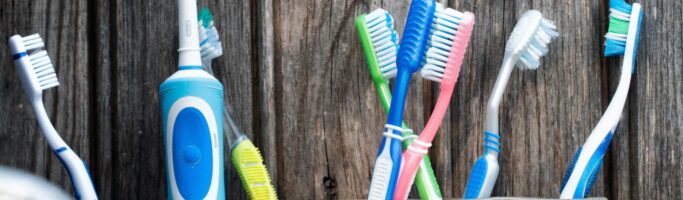
Manual vs. Electric Toothbrush: Which is Best for Your Oral Health?

When it comes to maintaining optimal oral health, one of the most debated topics is the choice between a manual and an electric toothbrush. Both options have their pros and cons, and understanding the differences can help you make an informed decision. In this blog, we’ll compare the techniques, list the differences, and discuss why mixing both might not be the best idea. Keywords: oral health, manual toothbrush, electric toothbrush.

Techniques: Manual vs. Electric

Manual Toothbrush Technique:

  • Angle: Hold the brush at a 45-degree angle to your gums. This angle helps clean the gumline effectively and remove plaque.
  • Motion: Use gentle, circular motions. Avoid harsh scrubbing as it can cause gum irritation and enamel erosion. The circular motion helps in reaching the crevices between teeth.
  • Coverage: Ensure you brush all surfaces—outer, inner, and chewing surfaces. Spend equal time on each quadrant of your mouth to ensure thorough cleaning.
  • Duration: Brush for at least two minutes, twice a day. Consider dividing your mouth into four sections and spending 30 seconds on each.
  • Pressure: Apply moderate pressure; too much can damage enamel and gums. A lighter touch is usually more effective and less harmful.

Electric Toothbrush Technique:

  • Angle: Similar to a manual toothbrush, hold it at a 45-degree angle to the gums. The brush’s vibrations or rotations will enhance the cleaning efficiency at this angle.
  • Motion: Let the brush do the work. Gently guide it over each tooth without applying extra pressure. Electric toothbrushes are designed to optimize motion and speed.
  • Coverage: Focus on one tooth at a time to ensure thorough cleaning. This method ensures each tooth and the surrounding gum area is adequately cleaned.
  • Duration: Most electric toothbrushes have a timer for the recommended two minutes. Some even have alerts for switching quadrants.
  • Pressure: Many electric toothbrushes have pressure sensors to alert you if you’re brushing too hard. This feature helps protect your gums and enamel from damage.

Differences Between Manual and Electric Toothbrushes

  1. Effectiveness:
    • Manual: Effective when used with proper technique, but can be inconsistent. The user’s skill significantly impacts the results.
    • Electric: Generally more effective at reducing plaque and gingivitis, thanks to consistent and high-frequency movements. Studies have shown electric toothbrushes can reduce plaque and gingivitis more effectively over time.
  2. Ease of Use:
    • Manual: Requires more manual effort and proper technique. It can be challenging for people with arthritis or limited mobility.
    • Electric: Easier to use, especially for people with limited mobility. The automated motion helps compensate for less precise manual technique.
  3. Features:
    • Manual: Basic, with few additional features. They rely solely on the user’s technique.
    • Electric: Often includes timers, pressure sensors, and multiple brushing modes. These features can enhance brushing effectiveness and protect oral health. Advanced electric toothbrushes even include AI features, linking with phone applications to track your brushing habits and provide personalized feedback. These apps can map the areas you’ve brushed and identify spots you might be missing, ensuring a more comprehensive clean.

Why Mixing Both Might Not Be a Good Idea

While it might seem beneficial to mix the use of manual and electric toothbrushes, it can lead to inconsistencies in your oral hygiene routine. Here’s why:

  1. Technique Variation: Switching between manual and electric toothbrushes can cause confusion regarding the correct brushing technique. You might end up not using either method correctly, compromising the effectiveness of your oral care. Consistent technique is vital for thorough cleaning and oral health maintenance.
  2. Pressure Control: Manual brushing requires you to control the pressure, whereas electric toothbrushes often have built-in sensors. Switching between the two can lead to applying inconsistent pressure, potentially harming your gums and enamel. This inconsistency can lead to uneven cleaning and increased risk of dental issues.
  3. Habits and Routine: Consistency is key to good oral hygiene. Sticking to one type of toothbrush helps establish a routine. Mixing both might disrupt this routine, leading to missed spots or insufficient brushing time. A regular routine ensures all parts of your mouth receive adequate attention.

Conclusion

Both manual and electric toothbrushes have their advantages. The best choice depends on your individual needs, preferences, and oral health goals. Whether you prefer the control of a manual toothbrush or the advanced features of an electric one, consistency and proper technique are crucial. By choosing one and mastering its use, you can ensure your smile stays bright and healthy.

For personalized advice on the best toothbrush for you, consult with our team at Your Perfect Smile Dental & Implant Clinic. We’re here to help you achieve the best oral health possible. Regular check-ups, along with proper brushing and flossing techniques, are essential for maintaining a healthy mouth and a beautiful smile.


The Importance of Interdental Hygiene

Maintaining oral hygiene goes beyond just brushing your teeth twice a day. One crucial yet often neglected aspect is interdental hygiene. The area between your teeth, known as interdental space, accounts for approximately 40% of the tooth surface. Neglecting this can lead to plaque buildup, which may cause cavities, gum disease, and bad breath. This blog will explore the importance of cleaning between your teeth, the tools available for this purpose, and recommendations for products available in the UK.

Tools and Methods for Cleaning Between Your Teeth and improving the Interdental Hygiene

Here are the most effective tools and methods for interdental cleaning, listed from the easiest to use, along with their benefits and challenges:

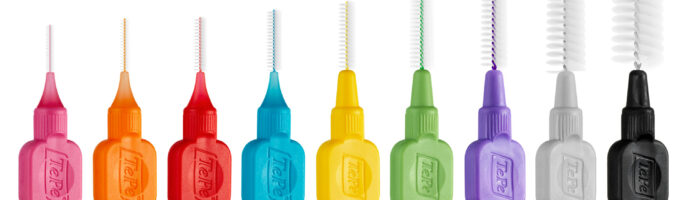
  1. Interdental Brushes
  2. Dental Floss
  3. Floss Picks
    • Benefits: Floss picks are easier to handle than regular floss, making them a good option for people with limited dexterity.
    • Challenges: Can be less effective than regular floss in tight spaces.
    • Popular Products:
      • DenTek Triple Clean Floss Picks
      • Oral-B Glide Floss Picks
      • GUM Soft-Picks Advanced
  4. Water Flossers
  5. Wooden or Plastic Toothpicks
    • Benefits: Useful for dislodging larger food particles between teeth.
    • Challenges: Less effective for thorough cleaning, can sometimes damage gums if not used carefully.
    • Popular Products:
      • Jordan Clean Between Toothpicks
      • DenTek Comfort Clean Toothpicks
      • The Humble Co. Bamboo Toothpicks

(more…)

Understanding and Managing Dry Mouth

dry mouth tips and hints

Dry mouth, also known as xerostomia, is a condition where your salivary glands don’t produce enough saliva to keep your mouth moist. While it may seem like a minor inconvenience, dry mouth can significantly impact your oral health and overall well-being.

Possible Reasons for Dry Mouth

Several factors can contribute to dry mouth, including:

  1. Medications: Many prescription and over-the-counter drugs, such as antihistamines, decongestants, painkillers, diuretics, and antidepressants, list dry mouth as a side effect.
  2. Aging: As you age, your risk of experiencing dry mouth increases. Changes in the body’s ability to process medication, health conditions, and nutritional deficiencies can contribute.
  3. Cancer Therapy: Radiation and chemotherapy treatments for cancer can affect salivary gland function, leading to dry mouth.
  4. Health Conditions: Conditions like diabetes, Parkinson’s disease, Sjögren’s syndrome, and HIV/AIDS can cause dry mouth.
  5. Lifestyle Factors: Smoking and alcohol consumption can decrease saliva production. Dehydration from insufficient fluid intake or excessive sweating can also cause dry mouth.
  6. Nerve Damage: Injury or surgery that causes nerve damage to the head and neck area can result in dry mouth.
  7. Menopause: Women undergoing menopause may experience dry mouth due to lower hormone levels, particularly estrogen.
  8. Mouth Breathing: Breathing through the mouth, especially during sleep, can contribute to dry mouth.

Recognizing the Symptoms of Dry Mouth

Identifying dry mouth can sometimes be tricky. Here are some common symptoms to watch out for:

  • A sticky, dry feeling in the mouth
  • Frequent thirst
  • Sores in the mouth; cracked lips
  • Dry feeling in the throat
  • Burning or tingling sensation in the mouth and especially on the tongue
  • Dry, red, raw tongue
  • Problems speaking, chewing, swallowing, or tasting
  • Hoarseness, dry nasal passages, sore throat
  • Bad breath
  • A feeling of the tongue being stuck to the roof of the mouth, particularly in the morning

(more…)

Choosing an Electric Toothbrush: Find Your Perfect Smile Partner

choosing your toothbrush

Introduction

In the quest for the “Perfect Smile Partner,” choosing the right electric toothbrush is crucial. With an array of shapes, sizes, and brands like Sonicare and Oral-B, how do you decide which one is your ally in dental hygiene? This comprehensive guide breaks down the differences between round head and long head toothbrushes, compares popular brands, and highlights the features that matter most for a gleaming smile.

Round Head vs. Long Head: Battle for Superior Clean

Round Head Electric Toothbrushes:

  • Pros: Focuses on one tooth at a time, offering precise cleaning. Popularized by brands like Oral-B, its oscillating-rotating-pulsating technology is excellent for removing plaque.
  • Cons: May require more time to clean all teeth due to the smaller surface area.

Long Head Electric Toothbrushes:

  • Pros: Mimics the traditional toothbrush shape, allowing broader strokes. Sonicare is a standout in this category, using sonic vibrations to target plaque and stimulate gum health.
  • Cons: Some users find it less effective in reaching tight spots between teeth.

Leading Brands: Sonicare vs. Oral-B

Sonicare:

Oral-B:

Key Features for Sparkling Teeth

  1. Variable Speed Settings: Adjust the intensity for comfort and efficacy.
  2. Timer: Ensures you brush for the dentist-recommended two minutes.
  3. Pressure Sensor: Protects gums by alerting you when you’re brushing too hard.
  4. Battery Life: Long battery life is convenient for travelers.
  5. Smart Features: Some models offer Bluetooth connectivity for personalized brushing data.

Conclusion: Your Smile, Your Choice

Your “Perfect Smile Partner” is out there, waiting to transform your dental routine. Whether you lean towards the precise cleaning of a round head or the broad efficiency of a long head toothbrush, the key is finding what works for your unique set of teeth. Brands like Sonicare and Oral-B offer a spectrum of models tailored to various needs and preferences. Remember, for a choice this important, consulting with your dentist ensures that your electric toothbrush is not just a gadget, but a personalized tool in your oral hygiene arsenal.

Note: Always consult with your dentist for personalized advice tailored to your dental health needs.