

Posted by:
Agnieszka Milbauer
If you’ve suddenly noticed a metallic taste in the mouth, you’re not alone—and it’s more common than you might think. That strange taste, often described as similar to sucking on coins or having blood in your mouth, can have a few different causes. Some are minor and temporary, while others may be worth getting checked out.
Let’s break down what might be behind it, and what you can do next.
Possible Dental Reasons
Sometimes the answer is right inside your mouth:
-
Gum problems: If your gums are inflamed or bleeding (from gingivitis or periodontitis), it can leave behind a metallic or bloody taste.
-
Tooth infections: A dental abscess or other infection can alter the way things taste, especially if there’s pus or swelling.
-
Poor oral hygiene: If plaque and bacteria build up, it can leave behind unpleasant tastes (and smells).
-
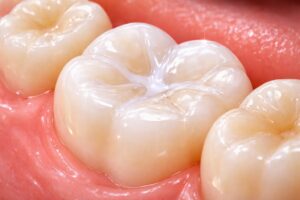
Metal fillings or crowns: Dental work that contains metal—especially if it’s old—might cause a taste, particularly if it’s breaking down or reacting with other materials.
Medical Conditions That Can Affect Taste
A metallic taste isn’t always linked to your teeth. It could also be caused by:
-
Vitamin or mineral deficiencies, especially zinc or B12
-
Side effects from medication like antibiotics, antihistamines, or certain blood pressure tablets
-
Pregnancy, especially in the first trimester, hormonal changes can mess with your taste buds.
-
Sinus infections or colds that block your sense of smell and taste
-
Neurological issues, though this is less common
-
Chronic conditions like kidney or liver problems can sometimes cause strange tastes in the mouth, too.
Other Triggers to Think About
-
Smoking or vaping
-
Radiation or chemotherapy treatment
-
Exposure to heavy metals (e.g., lead or mercury)
-
Dry mouth (xerostomia), especially if you’re dehydrated or on certain meds
What You Can Do About It
If the metallic taste is mild and only lasts a day or two, it might not be anything serious. But if it keeps happening, here are a few steps you can take:
-
Book a dental check-up: This is the best place to start. Your dentist can look for infections, gum issues, or problems with old dental work.
-
Review your medications: If the taste started after a new prescription, talk to your GP or pharmacist.
-
Improve your oral hygiene: Brush twice a day, floss daily, and clean your tongue. A mouthwash might help too.
-
Stay hydrated: Drinking water and chewing sugar-free gum can help flush out any bad taste.
-
Talk to your doctor: If you’ve ruled out dental causes and the taste is still there, your GP might check for vitamin deficiencies or other health issues.
When Should You Worry?
If the metallic taste in the mouth sticks around for more than a week, or comes with other symptoms like fatigue, weight changes, or a sore mouth, don’t wait—get it checked. Most causes are easy to manage, but it’s better to catch any underlying problems early.
Final Thoughts
A metallic taste in the mouth can be annoying, but it’s often just your body’s way of telling you something’s off. Whether it’s a dental issue, a reaction to medication, or something else entirely, a quick chat with your dentist or doctor can usually get to the bottom of it.




Recent Comments