Posts Tagged: oral hygiene

Manual vs. Electric Toothbrush: Which is Best for Your Oral Health?

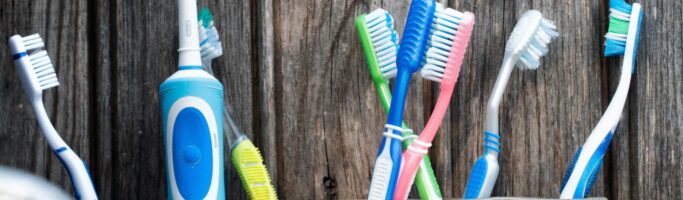
When it comes to maintaining optimal oral health, one of the most debated topics is the choice between a manual and an electric toothbrush. Both options have their pros and cons, and understanding the differences can help you make an informed decision. In this blog, we’ll compare the techniques, list the differences, and discuss why mixing both might not be the best idea. Keywords: oral health, manual toothbrush, electric toothbrush.

Techniques: Manual vs. Electric

Manual Toothbrush Technique:

  • Angle: Hold the brush at a 45-degree angle to your gums. This angle helps clean the gumline effectively and remove plaque.
  • Motion: Use gentle, circular motions. Avoid harsh scrubbing as it can cause gum irritation and enamel erosion. The circular motion helps in reaching the crevices between teeth.
  • Coverage: Ensure you brush all surfaces—outer, inner, and chewing surfaces. Spend equal time on each quadrant of your mouth to ensure thorough cleaning.
  • Duration: Brush for at least two minutes, twice a day. Consider dividing your mouth into four sections and spending 30 seconds on each.
  • Pressure: Apply moderate pressure; too much can damage enamel and gums. A lighter touch is usually more effective and less harmful.

Electric Toothbrush Technique:

  • Angle: Similar to a manual toothbrush, hold it at a 45-degree angle to the gums. The brush’s vibrations or rotations will enhance the cleaning efficiency at this angle.
  • Motion: Let the brush do the work. Gently guide it over each tooth without applying extra pressure. Electric toothbrushes are designed to optimize motion and speed.
  • Coverage: Focus on one tooth at a time to ensure thorough cleaning. This method ensures each tooth and the surrounding gum area is adequately cleaned.
  • Duration: Most electric toothbrushes have a timer for the recommended two minutes. Some even have alerts for switching quadrants.
  • Pressure: Many electric toothbrushes have pressure sensors to alert you if you’re brushing too hard. This feature helps protect your gums and enamel from damage.

Differences Between Manual and Electric Toothbrushes

  1. Effectiveness:
    • Manual: Effective when used with proper technique, but can be inconsistent. The user’s skill significantly impacts the results.
    • Electric: Generally more effective at reducing plaque and gingivitis, thanks to consistent and high-frequency movements. Studies have shown electric toothbrushes can reduce plaque and gingivitis more effectively over time.
  2. Ease of Use:
    • Manual: Requires more manual effort and proper technique. It can be challenging for people with arthritis or limited mobility.
    • Electric: Easier to use, especially for people with limited mobility. The automated motion helps compensate for less precise manual technique.
  3. Features:
    • Manual: Basic, with few additional features. They rely solely on the user’s technique.
    • Electric: Often includes timers, pressure sensors, and multiple brushing modes. These features can enhance brushing effectiveness and protect oral health. Advanced electric toothbrushes even include AI features, linking with phone applications to track your brushing habits and provide personalized feedback. These apps can map the areas you’ve brushed and identify spots you might be missing, ensuring a more comprehensive clean.

Why Mixing Both Might Not Be a Good Idea

While it might seem beneficial to mix the use of manual and electric toothbrushes, it can lead to inconsistencies in your oral hygiene routine. Here’s why:

  1. Technique Variation: Switching between manual and electric toothbrushes can cause confusion regarding the correct brushing technique. You might end up not using either method correctly, compromising the effectiveness of your oral care. Consistent technique is vital for thorough cleaning and oral health maintenance.
  2. Pressure Control: Manual brushing requires you to control the pressure, whereas electric toothbrushes often have built-in sensors. Switching between the two can lead to applying inconsistent pressure, potentially harming your gums and enamel. This inconsistency can lead to uneven cleaning and increased risk of dental issues.
  3. Habits and Routine: Consistency is key to good oral hygiene. Sticking to one type of toothbrush helps establish a routine. Mixing both might disrupt this routine, leading to missed spots or insufficient brushing time. A regular routine ensures all parts of your mouth receive adequate attention.

Conclusion

Both manual and electric toothbrushes have their advantages. The best choice depends on your individual needs, preferences, and oral health goals. Whether you prefer the control of a manual toothbrush or the advanced features of an electric one, consistency and proper technique are crucial. By choosing one and mastering its use, you can ensure your smile stays bright and healthy.

For personalized advice on the best toothbrush for you, consult with our team at Your Perfect Smile Dental & Implant Clinic. We’re here to help you achieve the best oral health possible. Regular check-ups, along with proper brushing and flossing techniques, are essential for maintaining a healthy mouth and a beautiful smile.



Understanding and Managing Dry Mouth

dry mouth tips and hints

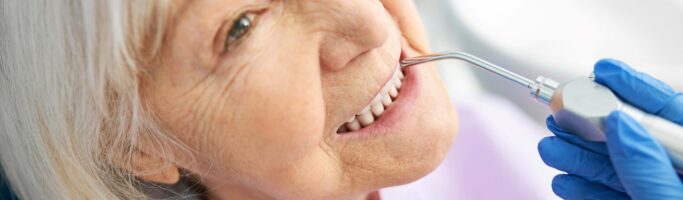
Dry mouth, also known as xerostomia, is a condition where your salivary glands don’t produce enough saliva to keep your mouth moist. While it may seem like a minor inconvenience, dry mouth can significantly impact your oral health and overall well-being.

Possible Reasons for Dry Mouth

Several factors can contribute to dry mouth, including:

  1. Medications: Many prescription and over-the-counter drugs, such as antihistamines, decongestants, painkillers, diuretics, and antidepressants, list dry mouth as a side effect.
  2. Aging: As you age, your risk of experiencing dry mouth increases. Changes in the body’s ability to process medication, health conditions, and nutritional deficiencies can contribute.
  3. Cancer Therapy: Radiation and chemotherapy treatments for cancer can affect salivary gland function, leading to dry mouth.
  4. Health Conditions: Conditions like diabetes, Parkinson’s disease, Sjögren’s syndrome, and HIV/AIDS can cause dry mouth.
  5. Lifestyle Factors: Smoking and alcohol consumption can decrease saliva production. Dehydration from insufficient fluid intake or excessive sweating can also cause dry mouth.
  6. Nerve Damage: Injury or surgery that causes nerve damage to the head and neck area can result in dry mouth.
  7. Menopause: Women undergoing menopause may experience dry mouth due to lower hormone levels, particularly estrogen.
  8. Mouth Breathing: Breathing through the mouth, especially during sleep, can contribute to dry mouth.

Recognizing the Symptoms of Dry Mouth

Identifying dry mouth can sometimes be tricky. Here are some common symptoms to watch out for:

  • A sticky, dry feeling in the mouth
  • Frequent thirst
  • Sores in the mouth; cracked lips
  • Dry feeling in the throat
  • Burning or tingling sensation in the mouth and especially on the tongue
  • Dry, red, raw tongue
  • Problems speaking, chewing, swallowing, or tasting
  • Hoarseness, dry nasal passages, sore throat
  • Bad breath
  • A feeling of the tongue being stuck to the roof of the mouth, particularly in the morning

(more…)

Choosing an Electric Toothbrush: Find Your Perfect Smile Partner

choosing your toothbrush

Introduction

In the quest for the “Perfect Smile Partner,” choosing the right electric toothbrush is crucial. With an array of shapes, sizes, and brands like Sonicare and Oral-B, how do you decide which one is your ally in dental hygiene? This comprehensive guide breaks down the differences between round head and long head toothbrushes, compares popular brands, and highlights the features that matter most for a gleaming smile.

Round Head vs. Long Head: Battle for Superior Clean

Round Head Electric Toothbrushes:

  • Pros: Focuses on one tooth at a time, offering precise cleaning. Popularized by brands like Oral-B, its oscillating-rotating-pulsating technology is excellent for removing plaque.
  • Cons: May require more time to clean all teeth due to the smaller surface area.

Long Head Electric Toothbrushes:

  • Pros: Mimics the traditional toothbrush shape, allowing broader strokes. Sonicare is a standout in this category, using sonic vibrations to target plaque and stimulate gum health.
  • Cons: Some users find it less effective in reaching tight spots between teeth.

Leading Brands: Sonicare vs. Oral-B

Sonicare:

Oral-B:

Key Features for Sparkling Teeth

  1. Variable Speed Settings: Adjust the intensity for comfort and efficacy.
  2. Timer: Ensures you brush for the dentist-recommended two minutes.
  3. Pressure Sensor: Protects gums by alerting you when you’re brushing too hard.
  4. Battery Life: Long battery life is convenient for travelers.
  5. Smart Features: Some models offer Bluetooth connectivity for personalized brushing data.

Conclusion: Your Smile, Your Choice

Your “Perfect Smile Partner” is out there, waiting to transform your dental routine. Whether you lean towards the precise cleaning of a round head or the broad efficiency of a long head toothbrush, the key is finding what works for your unique set of teeth. Brands like Sonicare and Oral-B offer a spectrum of models tailored to various needs and preferences. Remember, for a choice this important, consulting with your dentist ensures that your electric toothbrush is not just a gadget, but a personalized tool in your oral hygiene arsenal.

Note: Always consult with your dentist for personalized advice tailored to your dental health needs.

Electric Toothbrush: A Comprehensive Guide to Features and Settings

electric toothbrush guide

Introduction

In your quest for “Electric Toothbrush Excellence,” understanding the nuances of features and settings is pivotal. With technology advancing rapidly, electric toothbrushes have evolved from simple plaque-fighting tools to sophisticated gadgets aimed at personalizing your dental care routine. This section of our blog delves deeper into these advancements, providing a closer look at how various features and settings can enhance your brushing experience, tailored to meet your individual oral health needs.

Delving into the Details: Features and Settings That Define Electric Toothbrush Excellence

Brushing Modes

Multiple brushing modes stand at the core of electric toothbrush excellence, catering to a wide range of oral health requirements—from daily cleaning to sensitive gums and whitening aspirations. These modes adjust the brush’s motion and intensity, offering a tailored approach to each user’s specific needs.

Smart Timers and Quadrant Pacing

The integration of smart timers and quadrant pacing ensures that users adhere to the recommended two-minute brushing time, promoting an even and thorough clean across all four quadrants of the mouth. This intelligent feature supports the development of optimal brushing habits, crucial for achieving dental hygiene excellence.

Pressure Sensors

To combat the common issue of overbrushing, pressure sensors alert users when excessive force is applied, safeguarding against gum damage and enamel wear. This feature is essential for maintaining the delicate balance between thorough cleaning and gentle care, embodying the essence of electric toothbrush excellence.

Battery Life and Charging Options

The practicality of electric toothbrushes is significantly enhanced by extended battery life and versatile charging solutions. The convenience of long-lasting use, coupled with options such as USB charging and portable charging cases, underscores the excellence of modern electric toothbrushes in adapting to today’s mobile lifestyle.

Connectivity and Smart Features

Bluetooth connectivity and smart features represent the pinnacle of electric toothbrush innovation, offering users real-time feedback, habit tracking, and personalized dental care advice. This leap in technology transforms the brushing experience into an interactive, informative journey towards oral health excellence.

Conclusion

The pursuit of “Electric Toothbrush Excellence” is a testament to how far dental care technology has come, offering a plethora of options to suit every preference and need. By prioritizing features and settings that resonate with your personal oral health goals, you can elevate your dental care routine to new heights of efficiency and effectiveness. Remember, for a decision as personal and important as choosing the right electric toothbrush, consulting with a dental professional can provide invaluable insights, ensuring that your choice is perfectly aligned with your dental health journey.

Winning the Battle: How Sugar Declares War on Your Teeth

In the modern dietary landscape, sugar is a ubiquitous component, tantalising our taste buds in myriad forms. However, beneath its sweet allure lies a less talked-about reality: sugar is one of the primary culprits in the war against dental health. This blog post will delve into how sugar affects your teeth and offer practical advice to safeguard your pearly whites.


The Sugar Effect

When you consume sugar, it interacts with the bacteria in the plaque on your teeth. This interaction produces acid, which can erode the enamel – the hard outer surface of your teeth. This process, known as demineralisation, can lead to cavities, tooth decay, and even gum disease if left unchecked.

(more…)

New Year, New Smile: Teeth Resolutions for a Healthy 2024

As we bid farewell to the old year and welcome the new one with open arms, it’s the perfect time to reflect on our habits and set some resolutions for self-improvement. While we often focus on fitness and personal growth, it’s equally important to consider our dental health in the mix. After all, a healthy smile can boost confidence and overall well-being. So, let’s make some teeth resolutions for a sparkling, healthy smile in 2024!

Resolution 1: Brush and Floss Like a Pro

Commit to brushing your teeth at least twice a day and flossing daily. Brushing removes surface plaque and food particles, while flossing gets between tight spaces where bacteria can hide. Consider upgrading to an electric toothbrush for a more thorough cleaning.

Resolution 2: Upgrade Your Toothbrush

Speaking of toothbrushes, make it a resolution to change your toothbrush or toothbrush head every three months or as soon as the bristles start to fray. A fresh toothbrush is more effective at cleaning your teeth.

Resolution 3: Watch Your Diet

Cut back on sugary snacks and beverages. Opt for tooth-friendly foods like fruits, vegetables, and dairy products. Drinking water throughout the day also helps rinse away harmful acids and bacteria.

Resolution 4: Visit Your Dentist Regularly

Schedule those dental check-ups! Regular visits to Your Perfect Smile Dental & Implant Clinic ensure that any potential issues are caught early and treated promptly. It’s an investment in your oral health.

Resolution 5: Break Bad Habits

Quit smoking and limit your alcohol consumption. These habits can stain your teeth and lead to oral health problems. Make this year the year you kick those habits to the curb.

Resolution 6: Protect Your Teeth

If you play sports, consider wearing a mouthguard to protect your teeth from potential injuries. And if you grind your teeth at night, talk to your dentist about a custom nightguard to prevent damage.

Resolution 7: Smile More!

Finally, make it a resolution to smile more often. A confident smile not only brightens your day but also the days of those around you. Show off those pearly whites proudly!

Remember, these teeth resolutions are small changes that can lead to significant improvements in your oral health and overall well-being. Your Perfect Smile Dental & Implant Clinic is here to support you on your journey to a healthier smile. Let’s make 2024 the year of the brightest, healthiest smiles ever! Cheers to a fantastic year ahead!

You brush your teeth for how long ?!

teeth brush, teeth brushing toothbrush and smiling

Apparently a woman will spend 136 days getting ready, comparing to just 46 for a man. We will spend 5 months of our life complaining, 115 days laughing and 26 years sleeping!
It got me wondering how long we spend brushing our teeth.

If you brush your teeth for twice a day, for the recommended 2 minutes a time that’s 4 minutes a day, in a year that’s 1460 minutes. Lets put this into perspective, that’s a little over 24 hours…. a whole day brushing your teeth every year.

Now assuming you started brushing your teeth right from the start, say 6 months, and are lucky enough to keep your own teeth until you are say 80 years old, (with our help hopefully forever) that’s 80 entire days you will spend at a sink brushing your teeth!!!

So with all this time invested in brushing your teeth, you better make sure you’re doing it right! And that’s a lesson for another day 😉