
The Future of Dentistry: Game-Changing Innovations That Will Redefine Your Smile

Dentistry is transforming remarkably, driven by technology, science, and the demand for more patient-friendly treatments. What once seemed futuristic—like growing your own teeth or getting a cavity filled without pain—is rapidly becoming a reality. The future of dentistry combines precision, speed, and comfort, ensuring that oral healthcare is better than ever. Let’s explore some of the most exciting innovations revolutionising the dental industry and how they’ll reshape your next dental visit.


1. Artificial Intelligence (AI) in Dental Care

AI is no longer just for tech companies. In dentistry, AI-powered systems are transforming how dentists diagnose and treat oral conditions. Advanced algorithms analyze dental images with unmatched accuracy, spotting issues such as cavities, gum disease, and even early-stage oral cancer. AI also plays a role in predicting treatment outcomes and optimizing workflows in clinics.

What it means for you:

  • Faster, more accurate diagnoses.
  • Fewer missed issues, as AI catches tiny details even the human eye can miss.
  • Personalized treatment plans tailored to your unique needs.

Example: AI software can detect a small cavity before it becomes a big problem, saving you time and discomfort.


2. 3D Printing: Revolutionizing Dental Restorations

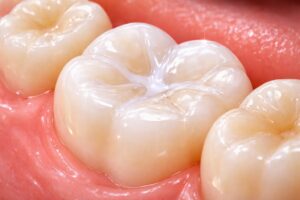
3D printing is a game-changer in dentistry. It allows for the rapid production of crowns, bridges, dentures, and even clear aligners. What used to take weeks in a dental lab can now be done in a single day, with unparalleled accuracy. Dentists can scan your mouth, design your restoration digitally, and print it on-site—all during your appointment.

What it means for you:

  • Shorter treatment times: No more waiting weeks for a crown or retainer.
  • Perfectly fitted restorations: Digital scanning ensures precision.
  • Lower costs: As 3D printing becomes more common, the cost of custom restorations is expected to decrease.

Example: Need a crown? With 3D printing, you can walk into your appointment with a damaged tooth and leave the same day with a new, perfectly fitted restoration.


3. Regenerative Dentistry: Growing Teeth and Healing Naturally

One of the most exciting advancements in dentistry is regenerative technology. Using stem cells, scientists are exploring ways to regrow damaged enamel, repair cavities, and even regenerate entire teeth. Imagine a world where fillings and implants are no longer needed because your teeth can heal or regrow naturally!

What it means for you:

  • Permanent solutions to tooth loss and damage.
  • Less invasive procedures, as your body does the healing.
  • Fewer visits to the dentist for restorative work.

Example: Instead of getting a dental implant, stem cell therapy could regrow your missing tooth.

(more…)

Mouth Ulcers: Causes, Remedies, and When to Visit a Dentist

Mouth ulcers, or canker sores, are painful lesions that develop inside the mouth, on the cheeks, gums, tongue, or roof of the mouth. While they are often harmless and heal on their own, they can disrupt daily life, making it difficult to eat, drink, or even speak. Recognising mouth ulcer causes, remedies, and when to see a dentist can help you manage them effectively and prevent unnecessary discomfort. Let’s delve into their causes, healing time, and when to seek professional help.

Common Causes of Mouth Ulcers

Mouth ulcers have a variety of triggers. Some of the most common include:

  1. Injury or Irritation
    Accidental cheek biting, poorly fitted dentures, orthodontic braces, or sharp-edged foods can lead to minor trauma, resulting in ulcers. This type of ulcer is typically short-lived but can be painful.
  2. Stress and Hormonal Changes
    Emotional stress or hormonal shifts, such as those occurring during menstruation, pregnancy, or menopause, can contribute to the development of canker sores.
  3. Nutritional Deficiencies
    A lack of vitamins and minerals like vitamin B12, iron, or folic acid is a leading cause of recurrent mouth ulcers. These deficiencies can weaken the mucosa, making it more prone to injury.
  4. Medical Conditions
    Chronic illnesses like Crohn’s disease, celiac disease, and autoimmune disorders, such as lupus, can manifest symptoms in the form of recurrent ulcers. Sometimes, ulcers can signal an underlying medical issue that requires attention.
  5. Food Sensitivities and Allergies
    Certain foods, particularly spicy, acidic, or salty items, can irritate the sensitive tissues of the mouth. Additionally, some people may experience ulcers as an allergic reaction to specific foods.
  6. Medications and Treatments
    Side effects of medications such as non-steroidal anti-inflammatory drugs (NSAIDs), beta-blockers, or chemotherapy treatments can include the development of painful ulcers.
  7. Infections
    Viral infections, such as herpes simplex or hand, foot, and mouth disease, may cause clusters of painful ulcers in and around the mouth.

Average Healing Time

Mouth ulcers usually heal without any specific treatment within 7 to 14 days. However, this healing period may vary depending on the severity and cause. For instance:

  • Minor trauma ulcers heal faster, often within a week.
  • Larger ulcers, such as major aphthous ulcers, may take up to 3 weeks or longer to resolve.
  • Chronic ulcers associated with underlying health issues may require medical intervention to heal effectively.

If the ulcer doesn’t show signs of improvement after two weeks, it’s a good idea to consult a dentist or healthcare provider for a thorough evaluation.


When to See a Dentist

While most mouth ulcers are manageable at home, there are times when professional attention is needed. You should visit your dentist if:

  • The ulcer persists for more than 3 weeks.
  • You experience severe pain or difficulty eating, drinking, or speaking.
  • There is an unusually large ulcer or multiple ulcers that appear at the same time.
  • Mouth ulcers recur frequently, suggesting a potential underlying health condition.
  • Additional symptoms occur, such as fever, swollen lymph nodes, or fatigue.
  • The ulcers are accompanied by white patches, which might indicate oral thrush, or red patches, which could suggest a more serious issue.

Your dentist can offer treatments such as prescription-strength mouth rinses, gels, or pain-relieving medications. In cases of recurring or severe ulcers, they may recommend blood tests or a referral to a specialist to rule out systemic conditions.

Common Home Remedies for Mouth Ulcers

If you’re dealing with a mouth ulcer, there are several simple remedies to promote healing and reduce discomfort:

  1. Saltwater Rinse
    Mix one teaspoon of salt in a glass of warm water. Rinse your mouth gently with the solution and spit it out. This helps disinfect the area and speeds up healing.
  2. Honey
    Apply a small amount of honey directly to the ulcer. Honey has natural antibacterial and healing properties that can soothe irritation and promote tissue repair.
  3. Aloe Vera Gel
    Fresh aloe vera gel can reduce inflammation and provide a cooling sensation. Apply it directly to the ulcer a few times a day.
  4. Ice Cubes or Cold Compresses
    Sucking on an ice cube or applying a cold compress to the affected area can help numb the pain and reduce swelling.
  5. Over-the-Counter Products
    Medicated gels or mouth rinses specifically formulated for mouth ulcers can provide pain relief and help speed up healing.
  6. Maintain Good Oral Hygiene
    Keep your mouth clean by brushing gently with a soft-bristled toothbrush and avoiding irritants like alcohol-based mouthwashes.
  7. Avoid Trigger Foods
    Stay away from spicy, acidic, or rough-textured foods that may worsen the irritation.

Preventing Mouth Ulcers

Preventing mouth ulcers often involves addressing their root causes:

  • Eat a balanced diet rich in essential vitamins and minerals, such as vitamin B12, folic acid, and iron.
  • Reduce stress through relaxation techniques, like yoga or meditation.
  • Protect your mouth from accidental trauma by using a mouthguard during sports and ensuring dental appliances fit properly.
  • Stay hydrated and avoid foods that irritate your mouth.

Conclusion

Mouth ulcers may be a common problem, but they don’t have to disrupt your life for long. By understanding their causes and using simple remedies, most ulcers heal on their own in a matter of days. However, if ulcers persist, recur frequently, or cause significant discomfort, don’t hesitate to consult your dentist. Early intervention can prevent complications and provide relief, ensuring your oral health remains in top condition.


The Importance of Vitamin B for Oral Health

vit B for Oral health

Vitamin D often steals the spotlight when we think about vitamins crucial for dental health. However, the role of Vitamin B should not be overlooked. This group of vitamins is vital in maintaining overall health and the well-being of our gums, teeth, and mouth.

The Role of Vitamin B in Oral Health

Vitamin B is a complex of several vitamins, each playing a crucial role in supporting different bodily functions, including dental and oral health. Specifically:

  1. Vitamin B1 (Thiamine) – Helps maintain the integrity of nerves and supports the functioning of the mouth muscles.
  2. Vitamin B2 (Riboflavin) – Deficiency can lead to sores at the mouth’s corners and tongue’s inflammation.
  3. Vitamin B3 (Niacin) – Low levels can cause bad breath and ulcers, affecting both oral health and self-esteem.
  4. Vitamin B6 (Pyridoxine) – Plays a significant role in red blood cell formation, which affects the health of gums.
  5. Vitamin B12 (Cobalamin) – Deficiency often leads to periodontal diseases, gingivitis, and tongue inflammation.

Effects of Low Vitamin B Intake

A lack of Vitamin B can manifest in a variety of oral health issues. You might experience symptoms like:

  • Mouth Sores and Cracked Lips: Insufficient intake of Vitamin B2 and B6 can cause dryness and cracks at the corners of your mouth.
  • Inflamed and Bleeding Gums: Deficiency in Vitamin B12 is often linked to bleeding and swollen gums, which, if left unchecked, can progress to more severe gum diseases.
  • Tongue Inflammation and Bad Breath: Low levels of Vitamin B3 can lead to inflammation of the tongue and persistent bad breath.
  • Sensitivity and Weakness in Teeth: Vitamin B deficiencies weaken the tissues supporting teeth, making them more prone to sensitivity and damage.

Foods Rich in Vitamin B for a Healthy Smile

The good news is that many foods rich in Vitamin B are readily available, making it easier to maintain optimal levels. Here are some easy-to-access options to consider:

  • Whole Grains: A great source of Vitamin B1, B2, and B3.
  • Leafy Greens: Spinach and kale are rich in Vitamin B9 (Folate) which supports tissue health.
  • Meat and Fish: Poultry, beef, and fish like salmon and tuna are packed with various B vitamins, especially B6 and B12.
  • Dairy Products: Milk, cheese, and eggs provide Vitamin B12, which is crucial for preventing oral diseases.
  • Nuts and Seeds: Almonds, sunflower seeds, and walnuts offer a boost in multiple B vitamins.

Conclusion

Maintaining adequate levels of Vitamin B is essential for your oral health. These vitamins contribute to healthy gums, strong teeth, and an overall better mouth condition. By incorporating Vitamin B-rich foods into your diet, you can avoid common issues like gum inflammation, bad breath, and mouth sores. For a healthier smile and a happier you, make sure your daily intake includes these essential nutrients.

Vitamin D3 for Healthy Teeth and Gums

vitamin D , sun , teeth and bones

Vitamin D3 for healthy teeth and gums is essential for maintaining strong bones and optimal dental health. This crucial vitamin helps your body absorb calcium, promoting strong teeth and jawbones, while also supporting healthy gums. A deficiency in Vitamin D3 can lead to weakened teeth, gum disease, and other oral health issues. Ensuring the correct levels of Vitamin D3 is key to preventing dental problems and enhancing your overall health.

Vitamin D3, often called the “sunshine vitamin,” plays a critical role in maintaining healthy teeth, gums, and bones. A lack of sufficient Vitamin D3 can lead to a host of dental issues, from tooth decay to gum disease, as the body struggles to absorb essential minerals like calcium. In this blog, we’ll explore the importance of Vitamin D3 for oral health, optimal levels for dental well-being, and ways to boost your intake through food, supplements, and sun exposure.

The Role of Vitamin D3 in Dental Health Vitamin D3 is vital for maintaining strong bones, including teeth and jaw. It helps your body absorb calcium and phosphate, two minerals critical for dental health. Insufficient levels of Vitamin D3 can cause issues like weakened enamel, increased risk of cavities, and gum disease, as your body struggles to maintain a proper mineral balance. Additionally, low levels of Vitamin D3 have been linked to an increased risk of periodontal disease (gum disease), tooth loss, and bone infections in the jaw.

Recommended Vitamin D3 Levels For adults, the recommended daily allowance (RDA) of Vitamin D3 is about 600 to 800 IU (International Units), depending on age and overall health. In some cases, higher doses may be recommended, especially if blood levels are low. A simple blood test can determine your Vitamin D3 levels, with optimal levels ranging from 30 to 50 ng/mL.

How Low Vitamin D3 Levels Affect Dental Health Vitamin D3 deficiency can profoundly impact dental health. Low levels can lead to:

  • Weakened tooth enamel, making teeth more susceptible to decay.
  • Gum disease or periodontitis, due to inflammation and poor immune response.
  • Bone loss in the jaw, contributing to tooth loss and reduced support for implants or dentures.

How to Boost Your Vitamin D3 Intake Vitamin D3 can be obtained from a few key sources:

  1. Sunlight: Spending 15 to 30 minutes in direct sunlight several times a week can help your body naturally produce Vitamin D3. It’s estimated that this provides roughly 10,000 to 25,000 IU, though it depends on skin type, location, and time of day.
  2. Food: Incorporating Vitamin D3-rich foods such as fatty fish (salmon, mackerel), egg yolks, and fortified foods (like milk, cereals, and orange juice) can increase your intake.
  3. Supplements: Vitamin D3 supplements are an effective and convenient way to ensure you’re getting enough of this important nutrient. For individuals who may not get sufficient sunlight or food sources, supplements ranging from 1,000 to 2,000 IU daily are often recommended.

Recommended Daily Sun Exposure The body naturally synthesizes Vitamin D3 when exposed to sunlight, but this can vary depending on several factors. In general, spending about 15 to 30 minutes in the sun at midday, three times a week, is enough for most people to maintain adequate levels. Fair-skinned individuals may require less time, while those with darker skin may need more exposure.

Conclusion Vitamin D3 for healthy teeth and gums is a vital part of dental care. By ensuring you get enough of this crucial nutrient, you’ll not only protect your teeth and gums but also strengthen your bones and support your overall health.

(more…)

How Stress Affects Your Oral Health: The Link Between Anxiety and Dental Problems

Did you know that stress can significantly impact your oral health? The connection between anxiety and dental problems is often overlooked, but stress plays a major role in common issues like teeth grinding (bruxism), gum disease, and mouth sores. Let’s explore the symptoms of stress-related oral health problems and discover effective remedies to protect your teeth and gums.

Common Stress-Related Oral Health Issues

When you’re under constant stress, it can manifest in your mouth in several ways:

  1. Bruxism (Teeth Grinding)
    One of the most common stress-related dental issues is bruxism, where you grind or clench your teeth, often while sleeping. This can lead to worn enamel, tooth sensitivity, and jaw pain (TMJ disorder). Over time, untreated bruxism can cause severe damage to your teeth and dental restorations.
  2. Gum Disease (Gingivitis and Periodontitis)
    Stress weakens your immune system, making it harder for your body to fight off infections, including gum disease. This can start as gingivitis, characterized by swollen, bleeding gums, and if left untreated, can develop into periodontitis, which causes gum recession and tooth loss.
  3. Dry Mouth (Xerostomia)
    Stress can reduce saliva production, leading to dry mouth. Without enough saliva to wash away bacteria and food particles, dry mouth increases the risk of cavities and bad breath.
  4. Canker Sores (Aphthous Ulcers)
    Stress and anxiety can trigger canker sores, which are painful ulcers that develop inside your mouth. These sores are not contagious but can be uncomfortable and may take up to two weeks to heal.
  5. TMJ Pain (Temporomandibular Joint Disorder)
    Stress-induced jaw clenching can strain the temporomandibular joints, causing headaches, facial pain, and difficulty opening and closing your mouth. This condition, known as TMJ disorder, is often linked to chronic stress and bruxism.
  6. Nail Biting

Remedies for Stress-Related Oral Health Issues

Managing the effects of stress on your oral health requires a combination of lifestyle changes and dental care. Here are some effective remedies to help alleviate symptoms:

  1. Night Guards for Bruxism
    Wearing a custom-fitted night guard can protect your teeth from damage caused by grinding and clenching. Your dentist can create a personalized guard to cushion your teeth and reduce jaw strain while you sleep.
  2. Improved Oral Hygiene for Gum Disease
    Maintaining good oral hygiene is crucial for preventing and managing gum disease. Brush twice daily with fluoride toothpaste, floss regularly, and visit your dentist for professional cleanings to keep your gums healthy. Additionally, consider using an antimicrobial mouthwash to further reduce bacteria.
  3. Hydrate to Combat Dry Mouth
    Drinking plenty of water and chewing sugar-free gum can stimulate saliva production, helping to alleviate dry mouth symptoms. Avoiding alcohol, caffeine, and tobacco will also help reduce dryness.
  4. Manage Stress for Overall Oral Health
    Reducing stress can significantly improve your oral health. Practices such as meditation, deep breathing exercises, regular physical activity, and adequate sleep can help you manage anxiety. In severe cases, counseling or therapy may be beneficial.
  5. Topical Treatments for Canker Sores
    Over-the-counter gels and mouth rinses can help soothe the pain from canker sores. Avoiding spicy or acidic foods, which can irritate the ulcers, will also help them heal faster.

Why Regular Dental Visits Are Crucial

If you’re dealing with chronic stress, it’s essential to schedule regular dental checkups. Your dentist can identify early signs of stress-related oral health issues and provide appropriate treatments before they become more severe. They may recommend preventive measures like night guards for bruxism or deep cleanings to address gum inflammation.

For more information on stress-related oral health issues, you can visit Mayo Clinic’s guide on bruxism or National Library of Medicine on gum disease.


Dealing with stress is a part of life, but it shouldn’t take a toll on your oral health. If you’ve noticed symptoms like teeth grinding, jaw pain, or gum problems, don’t wait—contact Your Perfect Smile Dental & Implant Clinic today for an assessment. We’ll help you manage stress-related oral issues and protect your smile from further damage.

Vitamin B Deficiency: How It Affects Your Mouth and Causes Angular Cheilitis

Did you know that a lack of Vitamin B can lead to several oral health issues, including angular cheilitis? This common condition, also known as angular stomatitis, presents as painful cracks and inflammation at the corners of your mouth. But angular cheilitis isn’t the only sign of Vitamin B deficiency. Let’s explore how this deficiency manifests in the mouth and why it’s crucial to maintain a healthy balance of these essential nutrients.

Signs of Vitamin B Deficiency in the Mouth

The mouth is one of the first areas to show signs of Vitamin B deficiency. Common symptoms include:

  1. Angular Cheilitis (Angular Stomatitis)
    Angular cheilitis is a hallmark of Vitamin B deficiency, especially B2 (riboflavin) and B12. This condition causes painful cracks at the corners of your mouth, which can become inflamed, bleed, or become infected if left untreated.
  2. Glossitis
    Deficiency in B vitamins like B2, B3, B6, and B12 can lead to glossitis, an tongue inflammation. This condition causes the tongue to appear swollen, red, and smooth, often making it difficult to eat or speak.
  3. Mouth Sores and Ulcers
    Recurrent sores or ulcers inside the mouth, also known as aphthous ulcers, may indicate a deficiency in Vitamin B12, folate (Vitamin B9), or other B vitamins.
  4. Dry Mouth
    A lack of Vitamin B3 (niacin) can lead to a dry, sore mouth. This can also increase the risk of developing infections and further complications.
  5. Burning Sensation
    A burning sensation in the mouth or tongue is another common symptom of Vitamin B deficiency, especially B12. This can feel like a constant burning or tingling sensation that worsens over time.

Why Vitamin B Is Important for Oral Health

B vitamins play a vital role in maintaining healthy skin, cells, and nerve function. In the context of oral health, these vitamins help in tissue repair and protect against infections. A deficiency can weaken your immune system, making you more susceptible to conditions like angular cheilitis and other oral issues.

How to Prevent Vitamin B Deficiency

To prevent Vitamin B deficiency and maintain oral health, it’s essential to consume a balanced diet rich in B vitamins. Foods such as leafy greens, eggs, dairy, meat, and fortified cereals are excellent sources. For individuals with restricted diets or certain health conditions, supplementation may be necessary.

Seeking Help for Oral Symptoms

If you are experiencing symptoms like angular cheilitis, glossitis, or frequent mouth sores, it’s important to consult with your dentist or doctor. Early detection of Vitamin B deficiency can prevent more serious complications and help restore oral health.

For more information on how Vitamin B impacts your oral health, you can visit reputable sources like the National Institutes of Health’s Office of Dietary Supplements or read this article on angular cheilitis and Vitamin B deficiency.


Ensuring you get enough Vitamin B is essential not only for your overall well-being but for maintaining a healthy mouth free of painful conditions like angular cheilitis. If you’re concerned about your Vitamin B levels or have any symptoms mentioned above, schedule an appointment at Your Perfect Smile Dental & Implant Clinic for a comprehensive evaluation and personalized care.


Why cleaning your teeth before dental appointment is important?

choosing your toothbrush

When it’s time for your dental appointment, arriving with clean teeth might seem like a minor detail, but it plays a crucial role in the success of your visit. Cleaning your teeth before the appointment ensures that your dentist can clearly see your teeth and gums, leading to more accurate assessments and diagnoses. Failing to clean your teeth beforehand can obscure problem areas, potentially leading to misdiagnosis or incomplete treatments. Understanding the importance of this simple step can make a significant difference in your oral health outcomes.

Why Clean Teeth Are Essential for Dental Visits

Dentists rely on clear visibility to thoroughly examine your mouth. When you brush your teeth before your appointment, you remove food particles, plaque, and other debris that can obstruct your dentist’s view. This cleanliness allows your dentist to identify issues such as cavities, gum disease, or other oral health concerns more effectively. A clean mouth also helps your dentist spot early signs of problems, enabling timely intervention before they worsen. (more…)

Dangers of Grinding and Clenching: Symptoms You Might Be Ignoring

acid reflux and enamel erosion

Grinding and clenching, often referred to as bruxism, is a common issue that can wreak havoc not only on your teeth but also on your entire body. Many patients are unaware of the full range of symptoms that grinding and clenching can cause, often dismissing them as unrelated issues. If you’re experiencing any unusual pain or discomfort, it might be time to consider bruxism as the underlying cause.

Typical Symptoms of Grinding and Clenching:

  1. Teeth Grinding or Clenching:
    • This might be loud enough to wake up your sleep partner, indicating a severe form of bruxism.
  2. Dental Damage:
    • Teeth that are flattened, fractured, chipped, or loose due to the constant pressure.
    • Worn tooth enamel, which can expose deeper layers of your tooth, leading to increased sensitivity.
    • Increased tooth pain or sensitivity as a result of damaged enamel.
  3. Jaw Pain and TMJ Disorders:
    • Tired or tight jaw muscles, particularly in the morning, can make it difficult to open or close your mouth fully.
    • Jaw, neck, or face pain and soreness, often associated with the strain on your muscles.
    • Pain that feels like an earache, even though it’s not actually a problem with your ear.
  4. Headaches and Migraines:
    • Dull headaches starting in the temples, commonly experienced upon waking.
    • Migraines that are hard to explain and do not respond to typical treatments.
  5. Soft Tissue Damage:
    • Damage from chewing on the inside of your cheek, which can lead to painful sores or ulcers.

(more…)

Teeth Sensitivity Caused by Acid erosion: Understanding the Impact and Managing Your Diet

acid erosion and tooth sensitivity

Teeth sensitivity is a common dental issue that can be caused by various factors, one of the most significant being acid erosion. Many people are unaware of the acidic content in some of their favorite “healthy” foods, which can contribute to enamel erosion and increased tooth sensitivity. In this blog, we will explore how acid affects your teeth, highlight some surprising acidic foods, and provide tips to help you manage your diet to protect your teeth.

How Acid Affects Your Teeth

Acidic foods and drinks can erode the enamel on your teeth, the hard outer layer that protects the underlying dentin. When enamel wears away, the dentin becomes exposed, leading to increased sensitivity and discomfort. This can make eating and drinking hot, cold, sweet, or acidic items particularly painful.

Surprising Acids in a “Healthy Diet”

Many foods considered part of a healthy diet can actually be quite acidic. For instance, while fruits are an essential part of a balanced diet, some fruits contain high levels of acid that can contribute to enamel erosion if consumed excessively. (more…)

Managing Teeth Sensitivity: Causes and Remedies

teeth sensitivity

Teeth sensitivity is a common dental issue that affects millions of people worldwide. Understanding the causes of teeth sensitivity and how to minimize the pain can greatly improve your quality of life. In this blog, we will delve into the reasons behind this discomfort and explore various methods to alleviate it, including instant relief options like Sensodyne Repair & Protect and Colgate Pro Relief, as well as remineralizing toothpastes such as Tooth Mousse and Regenerate.

Causes of Teeth Sensitivity

Teeth sensitivity occurs when the protective enamel on your teeth wears down or when gums recede, exposing the underlying dentin. The dentin contains tiny tubules that lead to the nerve endings. When these tubules are exposed to hot, cold, sweet, or acidic foods and drinks, they send a signal to the nerves, causing a sharp pain.

Common causes of teeth sensitivity include:

  1. Tooth Decay: Cavities can expose the dentin.
  2. Gum Recession: Often caused by periodontal disease, this can expose the roots of your teeth.
  3. Enamel Erosion: Caused by acidic foods and drinks, or excessive brushing.
  4. Bruxism: Grinding your teeth can wear down enamel.
  5. Cracked Teeth: Fractures can expose the dentin.

(more…)