
Posted by:
Agnieszka Milbauer
Teeth sensitivity is a common dental issue that can be caused by various factors, one of the most significant being acid erosion. Many people are unaware of the acidic content in some of their favorite “healthy” foods, which can contribute to enamel erosion and increased tooth sensitivity. In this blog, we will explore how acid affects your teeth, highlight some surprising acidic foods, and provide tips to help you manage your diet to protect your teeth.
How Acid Affects Your Teeth
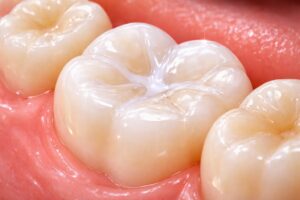
Acidic foods and drinks can erode the enamel on your teeth, the hard outer layer that protects the underlying dentin. When enamel wears away, the dentin becomes exposed, leading to increased sensitivity and discomfort. This can make eating and drinking hot, cold, sweet, or acidic items particularly painful.
Surprising Acids in a “Healthy Diet”
Many foods considered part of a healthy diet can actually be quite acidic. For instance, while fruits are an essential part of a balanced diet, some fruits contain high levels of acid that can contribute to enamel erosion if consumed excessively.
Example: Citrus Fruits
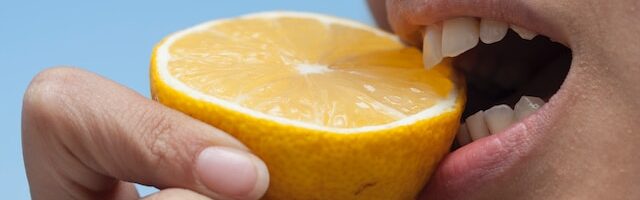
Citrus fruits like oranges, lemons, and grapefruits are high in vitamin C and other nutrients but also contain significant amounts of citric acid. Consuming these fruits regularly can lead to increased acid exposure to your teeth.
List of Fruits from Most Acidic to Least Acidic
- Lemon – pH 2.0-2.6
- Lime – pH 2.0-2.8
- Grapefruit – pH 3.0-3.8
- Pineapple – pH 3.2-4.0
- Orange – pH 3.0-4.0
- Blueberries – pH 3.1-3.4
- Plum – pH 2.8-3.6
- Peach – pH 3.3-4.0
- Apple – pH 3.3-4.0
- Strawberry – pH 3.0-3.9
Common High-Acidity Foods and Drinks
- Soda: Highly acidic and contains phosphoric and citric acids.
- Coffee: Naturally acidic with a pH of around 4.0-5.0.
- Wine: Both red and white wines are acidic, with a pH of around 3.0-3.5.
- Tomatoes: Contain citric and malic acids, with a pH of around 4.3-4.9.
- Yogurt: Contains lactic acid, with a pH of around 4.4-4.8.
- Vinegar: Acetic acid gives vinegar a pH of around 2.5-3.0.
- Sports Drinks: Often contain citric acid and have a low pH.
- Pickles: Pickling process involves vinegar, making them acidic.
- Processed Cheese: Contains lactic acid and has a low pH.
- Salad Dressings: Often made with vinegar or citrus juice.
Surprisingly Acidic Foods and Drinks
- Canned Soups: Often contain added acids for preservation.
- Certain Herbal Teas: Some herbal teas can be surprisingly acidic.
- Honey: Contains gluconic acid, with a pH of around 3.9.
- Kombucha: Fermented tea drink that is naturally acidic.
- Soy Sauce: Contains acidic compounds, with a pH of around 4.4-5.4.
Tips to Protect Your Teeth from Acid Erosion
- Limit Acidic Foods and Drinks: Reduce your intake of highly acidic items and consume them in moderation.
- Rinse with Water: After consuming acidic foods or drinks, rinse your mouth with water to help neutralize the acid.
- Use a Straw: When drinking acidic beverages, use a straw to minimize contact with your teeth.
- Wait Before Brushing: After consuming acidic foods or drinks, wait at least 30 minutes before brushing to avoid further enamel damage.
- Chew Sugar-Free Gum: Chewing gum can stimulate saliva production, which helps neutralize acids.
- Use Toothpaste for Sensitive Teeth: Opt for toothpaste designed for sensitive teeth, such as Sensodyne Repair & Protect or Colgate Pro Relief, to help protect your enamel.
Conclusion
Understanding the impact of acidic foods on your teeth is crucial for maintaining dental health and preventing sensitivity. By being aware of the acidity in your diet and taking steps to protect your enamel, you can reduce the risk of tooth sensitivity and enjoy a healthier, more comfortable smile. Remember to practice good oral hygiene and consult with your dentist regularly for personalized advice and treatment options.
BBC Two – Trust Me, I’m a Doctor, Series 8, Episode 1 – How can I protect my teeth from acid damage?
Acidic Foods And How They Affect Your Teeth (colgate.com)



Recent Comments