

Posted by:
Agnieszka Milbauer
Did you know that stress can significantly impact your oral health? The connection between anxiety and dental problems is often overlooked, but stress plays a major role in common issues like teeth grinding (bruxism), gum disease, and mouth sores. Let’s explore the symptoms of stress-related oral health problems and discover effective remedies to protect your teeth and gums.
Common Stress-Related Oral Health Issues
When you’re under constant stress, it can manifest in your mouth in several ways:
- Bruxism (Teeth Grinding)
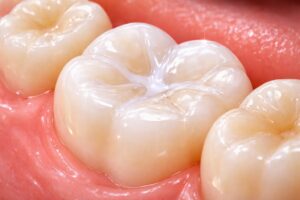
One of the most common stress-related dental issues is bruxism, where you grind or clench your teeth, often while sleeping. This can lead to worn enamel, tooth sensitivity, and jaw pain (TMJ disorder). Over time, untreated bruxism can cause severe damage to your teeth and dental restorations. - Gum Disease (Gingivitis and Periodontitis)
Stress weakens your immune system, making it harder for your body to fight off infections, including gum disease. This can start as gingivitis, characterized by swollen, bleeding gums, and if left untreated, can develop into periodontitis, which causes gum recession and tooth loss. - Dry Mouth (Xerostomia)
Stress can reduce saliva production, leading to dry mouth. Without enough saliva to wash away bacteria and food particles, dry mouth increases the risk of cavities and bad breath. - Canker Sores (Aphthous Ulcers)
Stress and anxiety can trigger canker sores, which are painful ulcers that develop inside your mouth. These sores are not contagious but can be uncomfortable and may take up to two weeks to heal. - TMJ Pain (Temporomandibular Joint Disorder)
Stress-induced jaw clenching can strain the temporomandibular joints, causing headaches, facial pain, and difficulty opening and closing your mouth. This condition, known as TMJ disorder, is often linked to chronic stress and bruxism. -
Nail Biting
Remedies for Stress-Related Oral Health Issues
Managing the effects of stress on your oral health requires a combination of lifestyle changes and dental care. Here are some effective remedies to help alleviate symptoms:
- Night Guards for Bruxism
Wearing a custom-fitted night guard can protect your teeth from damage caused by grinding and clenching. Your dentist can create a personalized guard to cushion your teeth and reduce jaw strain while you sleep. - Improved Oral Hygiene for Gum Disease
Maintaining good oral hygiene is crucial for preventing and managing gum disease. Brush twice daily with fluoride toothpaste, floss regularly, and visit your dentist for professional cleanings to keep your gums healthy. Additionally, consider using an antimicrobial mouthwash to further reduce bacteria. - Hydrate to Combat Dry Mouth
Drinking plenty of water and chewing sugar-free gum can stimulate saliva production, helping to alleviate dry mouth symptoms. Avoiding alcohol, caffeine, and tobacco will also help reduce dryness. - Manage Stress for Overall Oral Health
Reducing stress can significantly improve your oral health. Practices such as meditation, deep breathing exercises, regular physical activity, and adequate sleep can help you manage anxiety. In severe cases, counseling or therapy may be beneficial. - Topical Treatments for Canker Sores
Over-the-counter gels and mouth rinses can help soothe the pain from canker sores. Avoiding spicy or acidic foods, which can irritate the ulcers, will also help them heal faster.
Why Regular Dental Visits Are Crucial
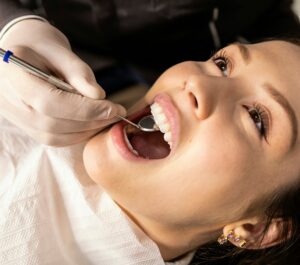
If you’re dealing with chronic stress, it’s essential to schedule regular dental checkups. Your dentist can identify early signs of stress-related oral health issues and provide appropriate treatments before they become more severe. They may recommend preventive measures like night guards for bruxism or deep cleanings to address gum inflammation.
For more information on stress-related oral health issues, you can visit Mayo Clinic’s guide on bruxism or National Library of Medicine on gum disease.
Dealing with stress is a part of life, but it shouldn’t take a toll on your oral health. If you’ve noticed symptoms like teeth grinding, jaw pain, or gum problems, don’t wait—contact Your Perfect Smile Dental & Implant Clinic today for an assessment. We’ll help you manage stress-related oral issues and protect your smile from further damage.



Recent Comments