

Posted by:
Agnieszka Milbauer
Acid Reflux and Tooth Erosion: Understanding the Risks and Protecting Your Smile
If you’re living with GERD and tooth erosion, you may already know how uncomfortable acid reflux can be — but many patients don’t realise the significant impact it can have on their teeth and oral health. Stomach acid is powerful, and repeated exposure can slowly wear down enamel, leading to sensitivity, cavities, and long-term damage if not appropriately managed.
This detailed guide explains how GERD affects your mouth, the symptoms to look out for, which teeth are most at risk, and the steps a dentist would recommend to protect your smile.
What Is GERD?
Gastro-oesophageal reflux disease (GERD) happens when stomach acid frequently flows back into the oesophagus. Over time, this acid can reach the throat and mouth, exposing your teeth to erosive damage.
How GERD/Acid Reflux Affects Your Teeth
Stomach acid has a pH of around 1–2, strong enough to dissolve enamel. When acid repeatedly enters the mouth, the enamel weakens, becomes thinner, and loses its natural protection.
Dental Problems Linked to GERD
-
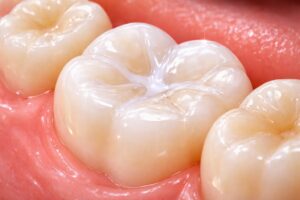
Tooth erosion – enamel becomes smooth, shiny, and worn
-
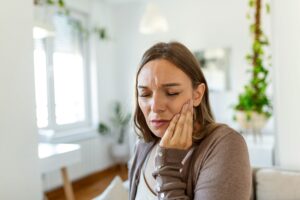
Increased sensitivity – especially to cold or sweet foods
-
Yellowing of teeth – due to thinning enamel
-
Higher risk of cavities – weakened enamel is more vulnerable
-
Cracking or chipping – from loss of tooth structure
-
Bad breath – caused by acid and dry mouth
-
Gum irritation – reflux can aggravate inflamed gums
Which Teeth Are Usually Affected the Most?
Because refluxed acid tends to enter the mouth and pool around certain areas, some teeth are more exposed than others:
-
Upper back teeth (molars and premolars):
These are commonly the first to show signs of erosion, especially on the palatal (inner) surfaces, where acid often accumulates. -
Upper front teeth:
The inside surfaces can become smooth, thin, glassy, and sensitive as enamel gradually dissolves. -
Lower back teeth:
Although partially shielded by the tongue, they can still show erosion in longstanding or severe GERD. -
Teeth affected during nighttime reflux:
Reflux during sleep causes more severe wear because saliva flow drops and acid stays in contact with the teeth for much longer.
Recognising these patterns helps your dentist diagnose GERD-related erosion early.
Symptoms You May Notice
Many patients notice dental signs before they realise reflux is the cause. Common symptoms include:
-
Sharp sensitivity when drinking cold water
-
A sour or acidic taste in the mouth
-
Worn, flattened, or smooth tooth surfaces
-
Yellowing of the teeth
-
Frequent cavities despite good hygiene
-
Hoarseness, coughing, or throat burning
-
“Morning taste” or dryness after sleeping
What Your Dentist May Recommend
1. Minimise Acid Exposure
-
Rinse with water or fluoride mouthwash after a reflux episode.
-
Avoid brushing for at least 30 minutes afterwards.
-
Use high-fluoride toothpaste to strengthen enamel.
-
Chew sugar-free gum to stimulate saliva.
2. Professional Preventive Care
-
Fluoride varnish to strengthen weakened enamel.
-
Prescription-strength fluoride toothpaste for home use
-
Regular monitoring of erosion patterns
3. Restorative Options
If erosion is moderate or advanced, your dentist may recommend:
-
Composite bonding to rebuild an enamel-like structure
-
Onlays or crowns for heavily worn teeth
-
A protective nightguard, especially if symptoms worsen during sleep
4. Collaborating With Your GP
Medical management is essential. Your GP may advise:
-
Acid-suppressing medication
-
Adjusting meal timings
-
Weight management
-
Sleeping with your head elevated
Lifestyle Tips to Reduce Acid Reflux
-
Avoid acidic and carbonated drinks.
-
Reduce caffeine, alcohol, and spicy foods.
-
Eat smaller meals and avoid lying down afterwards.
-
Maintain a healthy weight.
-
Drink water regularly throughout the day.
When to Seek Dental Advice
Book a dental review if you notice:
-
Sudden or worsening sensitivity
-
Changes in tooth shape or colour
-
A persistent acidic taste
-
Wear on the inner surfaces of upper teeth.
Early dental intervention can prevent long-term damage and protect your smile.
Final Thoughts
GERD doesn’t just affect your stomach — it can significantly weaken and erode your teeth if left unmanaged. By recognising the signs of GERD and tooth erosion, following dental guidance, and working with your GP and a dentist to control reflux, you can protect your enamel and maintain a healthy, comfortable smile.


Recent Comments