
Posted by:
Agnieszka Milbauer
Traditional dental impressions can be messy, uncomfortable, and time-consuming, leaving many patients dreading the process. However, advancements in dental technology are changing the game. Digital scanners in dentistry have revolutionized how dentists capture impressions, offering unparalleled accuracy and convenience. Let’s explore how this technology benefits both, patients and dentists, from improving comfort to delivering superior results.
What Are Digital Scanners in Dentistry?
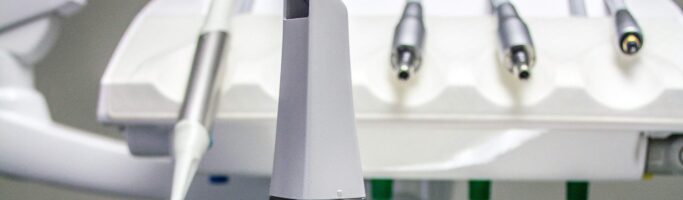
Digital scanners are high-tech devices that create detailed 3D images of a patient’s teeth and gums. Using a handheld wand, dentists scan the inside of your mouth, capturing every contour and surface digitally. This eliminates the need for traditional impression materials like alginate or silicone, making the process faster, cleaner, and more precise.
Advantages for Patients
- Enhanced Comfort
Traditional impressions involve biting into a tray filled with gooey material, which can be uncomfortable or even trigger a gag reflex. Digital scanners completely remove this discomfort by using a small, non-invasive wand to capture the scan. - Speed and Convenience
A digital scan takes only a few minutes, and there’s no waiting for moulds to set or shipping them to a laboratory. The process is seamless and reduces overall chair time. - Improved Accuracy
Digital scanners provide highly accurate 3D images, reducing the risk of errors in the impressions. This means fewer adjustments, better-fitting crowns, aligners, and dentures, and faster treatment timelines. - Visual Engagement
Many digital scanners allow dentists to display the 3D images on a screen in real-time. Patients can see their teeth up close and better understand their oral health, making consultations more engaging and informative. - Faster Turnaround Times
With digital impressions, dentists can send files directly to labs or even 3D print restorations in-house. This results in quicker delivery of crowns, bridges, or aligners, saving patients from lengthy waiting periods. - Eco-Friendly Solution
By eliminating disposable impression trays and materials, digital scanning is a greener option that reduces waste.
Advantages for Dentists
- Unmatched Precision
Digital scanners capture intricate details that traditional impressions might miss, ensuring accurate restorations and reducing the need for remakes or adjustments. - Streamlined Workflow
Digital impressions integrate seamlessly with other dental technologies like CAD/CAM systems and 3D printers. Dentists can design and produce restorations with minimal delays, improving efficiency. - Improved Communication with Laboratories
Digital files can be shared instantly with dental labs, eliminating the risk of distortions or errors caused by physical molds. This enhances collaboration and speeds up the production process. - Better Patient Relationships
Using digital scanners shows patients that the practice is modern and invested in providing the best possible care. Real-time visuals also help in explaining treatment plans, building trust and understanding. - Reduced Mess and Hassle
No more mixing impression materials or dealing with trays. Digital scanning is clean, straightforward, and hassle-free. - Time-Saving for Complex Cases
For cases involving multiple restorations or orthodontic aligners, digital scanners save significant time by delivering precise measurements instantly.
Why Accuracy Matters
- Perfect Fit Restorations
Accurate impressions ensure that crowns, bridges, and aligners fit perfectly the first time. This reduces the need for follow-up visits or adjustments, saving time and money for both dentists and patients. - Improved Orthodontic Outcomes
For treatments like Invisalign or braces, precision in impressions ensures that aligners or brackets are placed correctly, leading to better results. - Early Problem Detection
The detailed 3D images captured by scanners can reveal issues that might go unnoticed during a visual examination, such as tiny cracks or irregularities in tooth surfaces. - Predictable Results
Digital impressions offer a reliable foundation for treatment planning, minimizing surprises and ensuring predictable, high-quality outcomes.
How Digital Scanning Works
- Scanning:
The dentist uses a handheld wand to scan your teeth and gums. This process is quick and painless, with no need for messy trays. - Image Creation:
The scanner generates a 3D digital model of your mouth in real-time, which appears on a screen for both you and your dentist to review. - Analysis and Planning:
The dentist uses the 3D model to diagnose issues, design restorations, or plan orthodontic treatments with unparalleled precision. - Delivery:
The digital file is either sent to a lab or used in-house with a CAD/CAM system to create the final restoration or appliance.
Common Dental Procedures Using Digital Scanners
- Crowns and Bridges: Faster, better-fitting restorations.
- Orthodontics: Precision aligners like Invisalign.
- Implants: Accurate planning for implant placement.
- Dentures: Improved fit and comfort.
- Smile Makeovers: Predictable results with veneers and cosmetic treatments.
Conclusion
Digital scanners in dentistry are reshaping the patient experience by making treatments faster, more accurate, and significantly more comfortable. For dentists, they streamline workflows, enhance precision, and improve patient relationships. Whether you need a crown, aligners, or a complete smile makeover, digital scanning technology ensures that you’ll get the best results possible.
At Your Perfect Smile Dental & Implant Clinic, we’re proud to offer cutting-edge technologies like digital scanners to ensure you receive exceptional care. Experience the future of dentistry—schedule your consultation today!



Recent Comments