

Posted by:
Agnieszka Milbauer
Grinding and clenching, often referred to as bruxism, is a common issue that can wreak havoc not only on your teeth but also on your entire body. Many patients are unaware of the full range of symptoms that grinding and clenching can cause, often dismissing them as unrelated issues. If you’re experiencing any unusual pain or discomfort, it might be time to consider bruxism as the underlying cause.
Typical Symptoms of Grinding and Clenching:
- Teeth Grinding or Clenching:
- This might be loud enough to wake up your sleep partner, indicating a severe form of bruxism.
- Dental Damage:
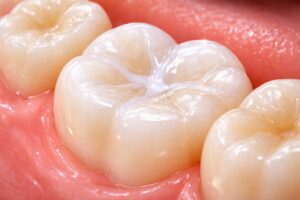
- Teeth that are flattened, fractured, chipped, or loose due to the constant pressure.
- Worn tooth enamel, which can expose deeper layers of your tooth, leading to increased sensitivity.
- Increased tooth pain or sensitivity as a result of damaged enamel.
- Jaw Pain and TMJ Disorders:
- Tired or tight jaw muscles, particularly in the morning, can make it difficult to open or close your mouth fully.
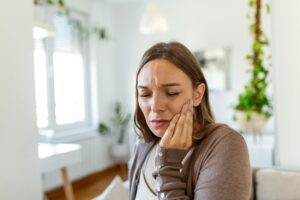
- Jaw, neck, or face pain and soreness, often associated with the strain on your muscles.
- Pain that feels like an earache, even though it’s not actually a problem with your ear.
- Headaches and Migraines:
- Dull headaches starting in the temples, commonly experienced upon waking.
- Migraines that are hard to explain and do not respond to typical treatments.
- Soft Tissue Damage:
- Damage from chewing on the inside of your cheek, which can lead to painful sores or ulcers.
Lesser-Known Symptoms You Might Be Ignoring:
- Neck and Shoulder Pain:
- Chronic pain or stiffness in the neck, shoulders, and upper back due to the strain from jaw clenching.
- Ear Problems:
- Earaches or a sensation of fullness in the ears without any sign of infection.
- Tinnitus (ringing in the ears) or hearing loss linked to the pressure exerted by jaw muscles.
- Facial Pain:
- Unexplained pain in the face, particularly around the cheeks, temples, or ears.
- A sensation of tightness or tension in the facial muscles.
- Disrupted Sleep:
- Grinding or clenching often happens during sleep, leading to disrupted sleep patterns.
- Sleep disruption that can impact your overall well-being, causing daytime fatigue.
- Unusual Fatigue:
- Feeling unusually tired or fatigued, even after a full night’s sleep, due to the constant strain on the muscles.
If you are experiencing any of these symptoms, especially if they seem unrelated or have been difficult to diagnose, grinding and clenching could be the hidden culprit. Ignoring these signs can lead to more severe complications over time, so it’s crucial to address the issue early.
Grinding and clenching explained
Conclusion:
Bruxism is more than just an annoying habit; it’s a condition that can have wide-ranging effects on your overall health. If you suspect you’re grinding or clenching your teeth, consult with your dentist to explore potential treatments and preventive measures. By addressing the issue head-on, you can prevent further damage and alleviate the seemingly unrelated symptoms that may have been affecting your quality of life.



Recent Comments